

What is the crankshaft harmonic balancer?
As a reputable crankshaft supplier, I often encounter questions from customers about various components related to the crankshaft. One such crucial component is the crankshaft harmonic balancer. In this blog post, I'll delve into what the crankshaft harmonic balancer is, its functions, and its significance in the overall performance of an engine.
Understanding the Basics of the Crankshaft
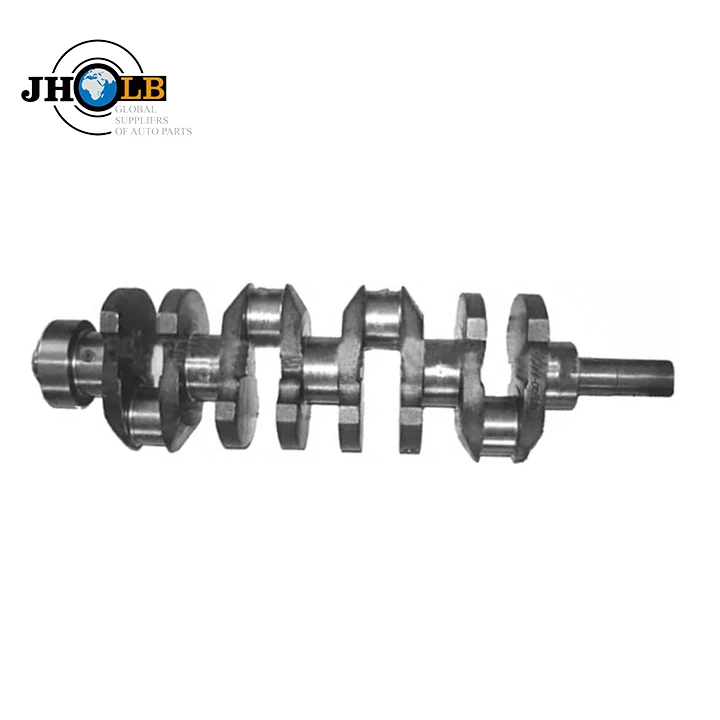
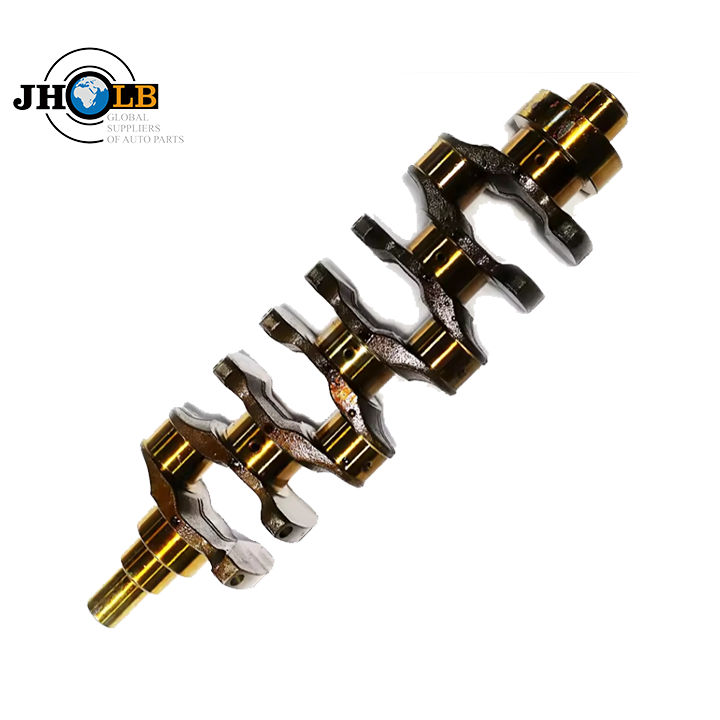
Before we dive into the details of the harmonic balancer, it's essential to have a basic understanding of the crankshaft. The crankshaft is a vital part of an internal combustion engine. Its primary function is to convert the reciprocating motion of the pistons into rotational motion. As the pistons move up and down in the cylinders, the connecting rods transfer this linear motion to the crankshaft, which then rotates, ultimately powering the vehicle's wheels.
However, during this process, the crankshaft experiences a great deal of stress and vibration. The combustion forces in the cylinders, along with the rapid acceleration and deceleration of the pistons, create torsional vibrations in the crankshaft. These vibrations can be extremely harmful to the engine if left unchecked.
What is the Crankshaft Harmonic Balancer?
The crankshaft harmonic balancer, also known as a vibration damper or crankshaft pulley damper, is a device attached to the front end of the crankshaft. It consists of two main parts: an inertia ring and a rubber or elastomeric element. The inertia ring is usually made of a heavy metal, such as steel or cast iron, and is connected to the crankshaft through the elastomeric element.
Functions of the Crankshaft Harmonic Balancer
1. Vibration Dampening
The primary function of the harmonic balancer is to reduce the torsional vibrations in the crankshaft. As mentioned earlier, the combustion process in the engine creates uneven forces on the crankshaft, leading to vibrations. These vibrations can cause excessive wear and tear on the crankshaft, bearings, and other engine components. The harmonic balancer works by absorbing and dissipating these vibrations, preventing them from causing damage to the engine.
The elastomeric element in the balancer acts as a buffer between the inertia ring and the crankshaft. When the crankshaft vibrates, the elastomeric element deforms, converting the vibrational energy into heat. This heat is then dissipated into the surrounding environment, effectively reducing the amplitude of the vibrations.
2. Power Transmission
In addition to vibration dampening, the harmonic balancer also plays a role in power transmission. It is often used as a pulley to drive various engine accessories, such as the alternator, water pump, and power steering pump. The outer surface of the balancer is usually grooved to accommodate a drive belt, which transfers power from the crankshaft to these accessories.
3. Timing and Synchronization
Some harmonic balancers are also equipped with timing marks. These marks are used to set the ignition timing and valve timing of the engine. By aligning the timing marks on the balancer with the corresponding marks on the engine block or timing cover, mechanics can ensure that the engine's valves open and close at the correct time, optimizing engine performance.
Significance of the Crankshaft Harmonic Balancer
The crankshaft harmonic balancer is a critical component in the engine's overall performance and longevity. Without a properly functioning balancer, the crankshaft would be subjected to excessive vibrations, which could lead to premature wear and failure of the engine. Here are some of the key benefits of a well-maintained harmonic balancer:
- Improved Engine Smoothness: By reducing vibrations, the harmonic balancer helps to improve the overall smoothness of the engine operation. This results in a more comfortable driving experience for the vehicle owner.
- Extended Engine Life: By preventing excessive wear and tear on the crankshaft and other engine components, the harmonic balancer can significantly extend the life of the engine. This can save vehicle owners a substantial amount of money in repair and replacement costs over the long term.
- Optimized Engine Performance: Properly timed and synchronized engines run more efficiently, resulting in better fuel economy and increased power output. The harmonic balancer's role in timing and synchronization helps to ensure that the engine operates at its peak performance.
Signs of a Failing Crankshaft Harmonic Balancer
Like any other component in the engine, the crankshaft harmonic balancer can wear out over time. Here are some common signs that indicate a failing harmonic balancer:
- Vibration: If you notice excessive vibration in the engine, especially at idle or during acceleration, it could be a sign of a failing harmonic balancer. The vibrations may be felt throughout the vehicle, and you may also hear a rattling or knocking noise.
- Slipping Drive Belt: A worn-out harmonic balancer can cause the drive belt to slip. This can result in a loss of power to the engine accessories, such as the alternator, water pump, and power steering pump. You may notice that your battery is not charging properly, the engine is overheating, or the steering is becoming difficult to turn.
- Visible Damage: Inspect the harmonic balancer for any visible signs of damage, such as cracks, separation of the inertia ring from the elastomeric element, or excessive wear on the pulley surface. If you notice any of these signs, it's important to replace the balancer as soon as possible.
Our Crankshaft Offerings
As a leading crankshaft supplier, we offer a wide range of high-quality crankshafts for various makes and models of vehicles. For example, we have the Toyota Vios 2002 - 2008 & Yaris 2006 - 2016 OEM Crankshaft (13401 - 22030, 13401 - 22040, 13401 - 21020, 13401 - 21030, 13401 - 0C010) for 1.5L Diesel Engines (3ZZ/4ZZ/1NZ/2NZ/1AZ/1AZ - FE/2NZ - FE). These crankshafts are designed to meet the strictest OEM standards, ensuring optimal performance and durability.
We also provide the OEM Crankshaft 13401 - 54XXX for Toyota Vigo Hilux/HiAce/Land Cruiser/Prado J90 (Compatible with 3L - E/5L - E Engines). Our crankshafts are manufactured using the latest technology and high-quality materials, guaranteeing a perfect fit and reliable operation.
Contact Us for Procurement
If you're in the market for high-quality crankshafts or have any questions about the crankshaft harmonic balancer, we're here to help. Our team of experts has extensive knowledge and experience in the automotive industry and can provide you with the best solutions for your needs. We welcome you to contact us to discuss your procurement requirements and explore the possibilities of working together.
References
- "Automotive Engine Design" by Richard Stone and Jeffrey Crolla
- "Internal Combustion Engine Fundamentals" by John B. Heywood