

What Does a Car Water Pump Do?
A car water pump is like the "thermostat" for the engine. Its main job is to circulate coolant through the engine, keeping it cool and preventing it from overheating and breaking down. The water pump works like a diligent porter, constantly transporting hot coolant from the engine to the radiator and sending cool coolant back, so that the engine can maintain its optimal operating temperature.
-

Original Factory Quality Water Pump OEM Parts Compatible ...
This type of water pump includes a DC motor and uses an electronically commutated motor with a stator and rotor setup. The design emphasizes efficiency and low noise, which could be beneficial for Add to Inquiry -
Original Water Pump OEM EQ465iL1307010 | Compatible with ...
Water pumps are crucial components in engines for circulating coolant to maintain proper operating temperatures. They typically consist of a pump shell, belt wheel, inner integral ball bearing, and Add to Inquiry


A Deeper Look into Car Water Pumps
How Does It Work?
Imagine that there is a little windmill (impeller) inside the water pump. When the engine starts, this little windmill begins to spin. The faster it spins, the faster the coolant is pushed, allowing the coolant to circulate between the engine and the radiator. This process is like a never-ending coolant treadmill, ensuring that the engine doesn't overheat and burn out.
What Are the Different Types of Water Pumps?
There are mainly two types of water pumps found in cars today: mechanical water pumps and electric water pumps.
Mechanical Water Pump: This is the most traditional type, directly attached to the engine and spinning along with it.
Electric Water Pump: This little guy is more advanced, having its own small motor that allows it to continue working even after the engine is shut off, aiding in quickly heating up or cooling down the system.
How to Maintain a Water Pump?
To keep the water pump working smoothly, regular check-ups are necessary:
Check if the water pump belt is tight and not worn out.
Look for any signs of leaks from the water pump.
Ensure that the water pump spins without strange noises and that the bearings are lubricated.
When changing the coolant, take the opportunity to inspect the condition of the water pump.
What Impact Does the Water Pump Have on Car Performance?
Although the water pump is just a small component, it has a significant impact on car performance. A well-functioning water pump keeps the engine at its optimal temperature, making the engine more fuel-efficient, cleaner in emissions, and lasting longer. Moreover, good temperature control of the engine results in a smoother ride and more stable overall performance.
Why Choose Us
Our Factory
Liubei engine factory, located in jinhua, zhejiang, is a leading global provider of automotive power solutions. Since its establishment, we have been committed to designing, manufacturing, and providing innovative, reliable, and efficient engine products, contributing to the development of the automotive industry
One-stop Solution
Strive to build the best one-stop auto parts service platform in china, make auto parts services easier, go further, achieve customers,and achieve ourselves
Advanced Equipment
Our factory is equipped with the most advanced production equipment and automated production lines:
High precision cnc machine tools and machining centers
Intelligent assembly line and robot system
Advanced detection and testing equipment
Environmentally friendly manufacturing process
The application of these devices and technologies ensures that our products reach industry-leading levels in terms of quality, performance, and reliability
Quality Control
We have implemented a comprehensive quality management system, from raw material inspection to final product testing, and every process undergoes strict quality control. Our engine products comply with international standards and have passed multiple rigorous certifications and tests.
Customized Services
We provide personalized accessory recommendations and customization services to ensure that the accessories you choose perfectly match your vehicle model and usage needs.
Types of Water Pump
Positive Displacement Pumps
Positive displacement pumps work by delivering a fixed amount of water through mechanical contraction and expansion of a flexible diaphragm.
Rotary Displacement Pumps
Rotary displacement pumps include gear pumps, screw pumps, hollow disk pumps, rotary vane pumps and vibratory pumps.All of these are considerably efficient as they are able to manipulate highly viscous fluids which typically have higher flow rates.
Dynamic Pumps
Dynamic, or rotodynamic pumps, are velocity pumps which add kinetic energy to the fluid to raise its flow velocity.As a result, the higher energy is transformed into pressure, until the velocity decreases as it nears the discharge line.
Centrifugal Pumps
A centrifugal water pump makes use of a rotating impeller in order to move the water within.Then it pressurises the discharge flow.There are different types of centrifugal water pumps, including standard models and submersible models.At times these kinds of pumps need recirculating liquid in order to prevent overheating problems which can be caused by low flows.
Axial & Radial Centrifugal Pumps
Radial centrifugal pumps pressurise the pumped flow and move it outwards through downstream piping.Axial pumps provide fluid motion by means of a lifting force caused by the impeller vanes.
Reciprocating Pumps
Reciprocating pumps fall under the positive displacement pumps category.They have an expanding cavity on the suction side, and a decreasing cavity on the discharge side.The water pump will work by filling the cavity and displacing the fluid.This is done alternately and with each cycle a constant volume is carried out.
Submersible Pumps
Submersible pumps, as the name itself implies, will be submerged in the fluid.They operate by using the principle of electric submersible pumping.By lowering the flow pressure, the pressure at the bottom is also decreased.
Peristaltic Pumps
A peristaltic pump is sometimes also referred to as a hose pump or a tube pump.This type of pump works by applying positive displacement principles, whereby the fluid is supplied in the tubing by rotating rollers.Then it is squeezed in a soft tube, and as the roller passes through it, it expands and forms a vacuum.This enables the fluid to enter.
Diaphragm Pumps
A diaphragm pump, or membrane pump is another type of positive displacement pump.The diaphragm is either made from rubber, thermoplastic or teflon.Its reciprocating action combined with the proper valves on the sides will pump the liquid.
Application of Water Pump


Flooding Fields
One of the most popular recreational uses for a water pump involves flooding fields for duck hunting. Flooding a field is one of the most productive ways to create a hotspot for ducks. During duck hunting season, hunters commonly run into frustrations when there are open, dry fields that ducks fly over. Fortunately, this missed opportunity can be transformed into a successful hunt with the help of water pumps.
De-flooding
In many areas around the country, rainy weather can create a significant impact on job sites. In addition to pushing out large amounts of liquid, water pumps can also be used to remove water from an area. This is especially important at construction job sites that have been flooded from rain. Without proper preparation, severe weather and flood-prone areas can postpone progress and create safety hazards.
Water pumps help protect job sites by quickly removing water, helping your crew get back to work faster.
Draining Water
Another way in which pumps remove water is by draining a pool. If you are a homeowner with a pool, you understand the importance of keeping the water clean and safe for your household. Every few years or so, it’s recommended to drain your pool and replace it with fresh, clean water. Sometimes, pools need to be drained for construction purposes. But because pools have vast amounts of water in them, it is impossible to drain without the help of a water pump. These pumps come in different horsepower engines and hose lengths to accommodate the needs of the pool.
Transferring Water
Water pumps can also be used to transfer water out of an area and into another desired area. This is necessary for multiple situations, whether you need to transport water into a tank or clean up water from your basement or yard. Transferring water can be a daunting task, but pumps will save you headaches and help get the job done effectively.
Dredging
Dredging is done when sediments and debris from the bottom of lakes, rivers, harbors, and other bodies of water need to be removed. Because of the natural process of sedimentation, dredging is a necessary and common task to help create safe passages for boats and ships. Dredging is also done to remove contaminants from the water, keeping wildlife and people safe. Water pumps make this project possible by creating a vacuum-like suction to remove materials.
Irrigation
Water pumps play a fundamental role in agriculture. They allow water to reach fields and crops for irrigation in the most effective way possible. Using a water pump provides flexibility with irrigation when it comes to field size and the types of crops planted. It also helps conserve water more efficiently than sprinklers, providing the best watering results for your crops.
Recreational
An additional way in which you can benefit from water pump use recreationally is for gold mining. Pumps help move or suck up water up or down a stream, revealing gravel and gold at the source. Also known as hydraulic mining, using a water pump to mine will help dislodge rock material and other sediments to access gold conveniently.
Components of Water Pump
Water Pump House
The water pump house is where the water pumping cycle occurs. This component is in the form of a narrow chamber which is equipped with a suction line and a water outlet. So, the water that will come out through the hose will pass through the water pump house first.
Impellers
The impeller is a water pump component in the form of a round disc with fan blades. This component then produces suction and thrust for the water pump. The water pumping cycle will occur when this component is working properly.
Mechanical Seals
This component has a spring and is responsible for applying pressure. In water pump machines, this mechanical seal functions as a cover for the impeller shaft line with the water pump housing. So, when the impeller shaft rotates, water cannot flow out.
Check Valve In
Check valve in is part of the water pump which functions to close the suction channel. Water will not come out with this check valve in component, especially when the water pump engine is not running.
The check valve in position is in the compression chamber and the end of the pipe. The purpose of the valve in component is placed in that area so that the water pump room is always filled with water and to prevent air from entering the room.
Inlets And Outlets
There is also a water pump section in the pump housing component called the inlet and outlet. The inlet component is the part where water enters the pump house. While the outlet functions to remove water that has been sucked by the impeller to the water reservoir.
Definition and Working Principle of Automotive Water Pumps:
An automotive water pump is a critical component of the engine cooling system, primarily responsible for circulating coolant to maintain the engine within an optimal temperature range. The water pump is driven by the engine's crankshaft through a belt pulley, utilizing the rotational power of the engine. Inside the pump is an impeller that, when rotated, draws coolant from the engine's cooling system and circulates it through the radiator, thereby dissipating the heat generated by the engine.
Characteristics and Analysis of Advantages and Disadvantages of Different Material Water Pumps:
Cast Iron Water Pumps:
Advantages: Cast iron water pumps have good heat and pressure resistance, and are relatively low in cost.
Disadvantages: They are heavy, and prone to damage from impact or corrosion.
Aluminum Alloy Water Pumps:
Advantages: Aluminum alloy water pumps are lightweight, have good thermal conductivity, and strong corrosion resistance.
Disadvantages: They do not perform as well under high temperatures as cast iron, and long-term exposure to high temperatures may lead to performance degradation.
Plastic Water Pumps:
Advantages: Plastic water pumps are lightweight, low in cost, and have good corrosion resistance.
Disadvantages: They have poor heat and pressure resistance, and long-term use may lead to material aging and damage.
Stainless Steel Water Pumps:
Advantages: Stainless steel water pumps have excellent corrosion and high-temperature resistance, making them suitable for harsh operating environments.
Disadvantages: They are costly and heavy.
The choice of suitable automotive water pump material depends on specific application requirements and cost considerations. Cast iron water pumps are suitable for traditional engines, while aluminum alloy and plastic water pumps are better suited for modern, lightweight engine designs. Although stainless steel water pumps are more expensive, they provide the best performance assurance in extreme environments.
How to Maintain Water Pump
Periodically Clean The Cooling Fans
Your cooling fans play an important role in reducing heat buildup to maintain an optimal temperature. Over time, dirt and dust can accumulate on fans, affecting their ability to cool properly.
Overheating is a recipe for disaster. It can cause long-term damage and force your pump to work harder and longer. Clean your fans at least once every three months. To prevent buildup, keep your pump clean, and get rid of dust and debris such as cobwebs and leaves.
Perform Visual Inspections
Periodically check your pump for cracks. Check the pump casing for signs of problems such as leaking water. Water dripping from your pump or other parts of your system could mean that a part is loose or has worn out and needs to be replaced.
Use Anti-corrosion Pump Parts
Over time, water can corrode the metallic components of your water pump. Replace regular pump parts with anti-corrosion parts. This is one of the most affordable and effective ways to protect pump parts against corrosion and increase their useful life.
Lubrication
Lubricate the motor and pump bearing per manufacturer’s guidelines. Be sure not to over lubricate.
Car Water Pump Maintenance Tips
I. Daily Check-ups
Look for any leaks around the water pump, especially at the seals.
Keep an eye on the water pump belt for wear and tear, and make sure it's not too loose or too tight.
Start the car and listen for any strange noises coming from the pump.
Check the coolant level to make sure it's not below the recommended line.
II. Fault Finding
A squeaking sound from the pump could mean the bearings are damaged.
If the pump is leaking, it might be due to a faulty seal or damage to the pump itself.
If the engine keeps overheating, the pump might not be circulating coolant properly.
Inspect the water pump belt for cracks or excessive wear.
III. Regular Maintenance
Periodically check the water pump belt tension and wear.
Regularly inspect the cooling system to ensure there's enough coolant and it's clean.
Give the water pump bearings a bit of lubrication now and then.
When changing the coolant, also check for leaks in the pump.
IV. Replacement Steps
Drain all the coolant from the cooling system.
Remove the water pump belt and any other small parts.
Loosen the screws and take off the water pump.
Clean the mounting area and install the new water pump.
Put the water pump belt and other parts back on, adjusting the tension as needed.
Fill up with new coolant and bleed any air out of the system.
Our Factory
Liubei engine factory, located in jinhua, zhejiang, is a leading global provider of automotive power solutions. Since its establishment, we have been committed to designing, manufacturing, and providing innovative, reliable, and efficient engine products, contributing to the development of the automotive industry.
We firmly believe that the engine is the heart of a car, driving every journey. Our mission is to provide excellent engine products and services to global customers through continuous technological innovation and process improvement, while committed to environmental sustainability.


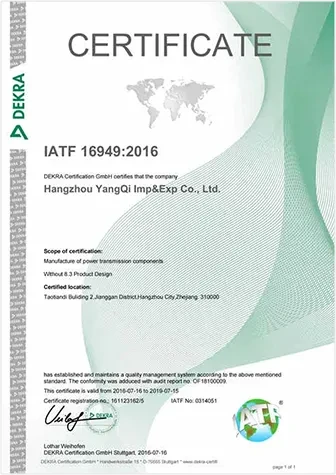
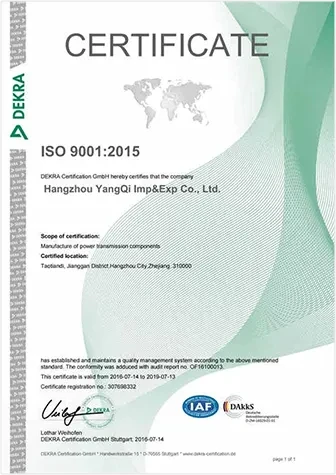
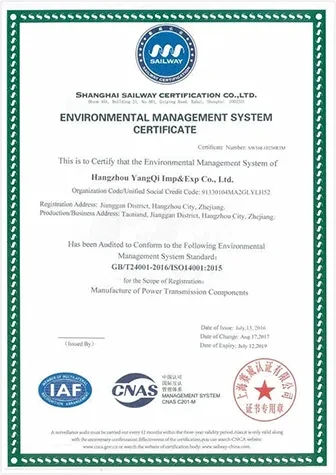
Our Certificate
Our company has become one of the most competitive companies in the field of automotive engine parts, and has obtained iso/ts16949:2009 quality system certification.
FAQ
As one of the leading water pump manufacturers and suppliers in China, we warmly welcome you to buy high-grade water pump in stock here from our factory. All auto parts are with high quality and competitive price.
corrosion resistance in cooling system, cooling and lubrication system digital marketing, cooling and lubrication system brochure