

What Is Cooling and Lubrication System?
Lubrication System:A lubrication system in an internal combustion engine is a system that aids in lubricating and cooling the engine's moving parts. Its main purpose is to lessen friction between moving parts, which slows down the rate of wear and tear on these engine parts. Additionally, it performs other tasks like lowering noise and delivering cooling, cushioning, cleaning, and sealing effects.
Cooling System: Several purposes of the cooling system which it serves by cooling the engine include cooling the engine to keep it from overheating by transferring the heat to the air. This helps avoid the excessive wear and tear at high temperatures, auto-ignition due to hot cylinder which may result in knocking and hence, piston/cylinder failure. It may also incorporate thermal stresses which is not good for the engine itself.
Advantages of Cooling and Lubrication System
Lubrication System
Improved efficiency
Improper lubrication of machinery can lead to inefficient performance and even catastrophic failure. Lubrication systems help ensure that all components of a machine are properly lubricated so that it operates at peak efficiency. This helps reduce energy consumption improve productivity ultimately leads to cost savings for farmers.
Optimized performance
Regular maintenance of lubrication systems is key to a machine running at peak performance. This helps prevent breakdowns or malfunctions that can delay the harvesting process and affect yields. Additionally, an lubrication system can help ensure that machinery is not exposed to too much stress or strain, which can lead to premature wear and damage.
Extended machine life
Lubrication systems help keep a machine running at peak performance, but they will also reduce the need for costly repairs or replacements. By supplying the necessary lubricant to all parts of a machine, automatic lubrication systems reduce friction and wear on components, which helps prevent premature failure.Additionally, lubrication systems protect components from corrosion and other forms of damage that can cause irreparable damage or failure.
Speed
Lubrication systems save time on labor. They speed up the day's work by eliminating the need to manually monitor and replenish the lubricants during operation.
Convenience
Lubrication systems can save time normally spent manually lubricating the machinery during busy seasons, when every minute counts.Additionally, lubrication systems reduce operator fatigue and lessen the need for stooping or bending to reach hard-to-reach areas of a machine. This improves safety on the farm and keeps operator morale high.
Cooling System
- It should be capable of removing about 30% of the heat generated in the engine, while maintaining optimum working temperature in the engine.
- It should remove heat at a faster rate when engine is hot and remove engine at slow rate when engine is cold.
-

Original Factory Quality Water Pump OEM Parts Compatible ...
This type of water pump includes a DC motor and uses an electronically commutated motor with a stator and rotor setup. The design emphasizes efficiency and low noise, which could be beneficial for Add to Inquiry -
Original Water Pump OEM EQ465iL1307010 | Compatible with ...
Water pumps are crucial components in engines for circulating coolant to maintain proper operating temperatures. They typically consist of a pump shell, belt wheel, inner integral ball bearing, and Add to Inquiry


Why Choose Us
Our Factory
Liubei engine factory, located in jinhua, zhejiang, is a leading global provider of automotive power solutions. Since its establishment, we have been committed to designing, manufacturing, and providing innovative, reliable, and efficient engine products, contributing to the development of the automotive industry
One-stop Solution
Strive to build the best one-stop auto parts service platform in china, make auto parts services easier, go further, achieve customers,and achieve ourselves
Advanced Equipment
Our factory is equipped with the most advanced production equipment and automated production lines:
High precision cnc machine tools and machining centers
Intelligent assembly line and robot system
Advanced detection and testing equipment
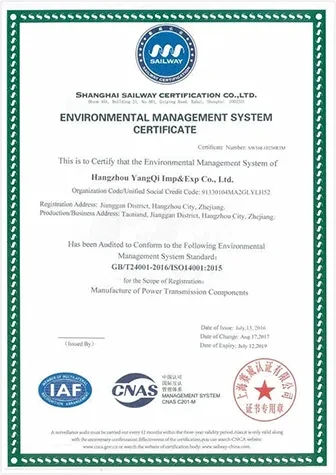
Environmentally friendly manufacturing process
The application of these devices and technologies ensures that our products reach industry-leading levels in terms of quality, performance, and reliability
Quality Control
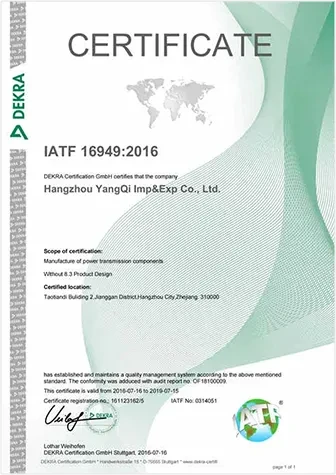
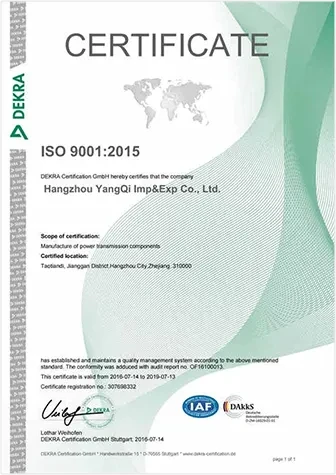
We have implemented a comprehensive quality management system, from raw material inspection to final product testing, and every process undergoes strict quality control. Our engine products comply with international standards and have passed multiple rigorous certifications and tests.
Customized Services
We provide personalized accessory recommendations and customization services to ensure that the accessories you choose perfectly match your vehicle model and usage needs
Types of Cooling and Lubrication System
Liquid Or Indirect Cooling System
In a liquid cooling system, the engine is surrounded by water jackets. With the help of a pump, this water circulates in this water jacket.The water flowing through these jackets removes heat from the engine. This hot water flows through a radiator, where it is cooled by cold heat blown by a fan.In this system, water removes heat from the engine and this water is cooled by the air and then circulates back to the engine.This is an indirect cooling process, where the actual cooling, which is the air, is not directly cooling the system. The air is cooling the water and the water is cooling the engine.
Air Or Direct Cooling System
In a direct cooling system, an engine is cooled directly with the help of air flowing through it. It's the same refrigeration system used to cool our bike engines.As we can see here, the air is in direct contact with the engine, which is why it is also known as a direct cooling system.
Oil Lubrication System
The oil lubrication system is also known as the loss lubrication system. In this system, oil or liquid grease produces a thin oil film that protects the parts. It is renewed at regular intervals by an automatic lubrication system with an electric oil pump. The main systems used in oil lubrication are single-line systems and 33v systems.
Splash Lubrication System
In these types of lubrication systems, the lubricating oil accumulates in an oil sump. Most small four-stroke petrol engines use splash lubrication. On horizontal crankshaft engines, a dipper on the bottom of the connecting rod scoops up oil from the oil sump for the bearings. When the engine runs, the dipper dips in the oil once in every crankshaft revolution and causes the oil to splash on the cylinder walls.
Recirculating Oil System
The purpose of oil recirculation is to supply lubrication and provide cooling to bearings and gears. An electric pump ensures that an appropriate lubricant pressure is available in the mainline, where the oil flow is also measured and regulated.
Air-oil Lubrication System
This system consists of a controlled air-oil stream utilized to cool and carry small quantities of air-oil particles to the lubrication points. It is suitable for large machines in heavy industry and machine tools.
Grease Lubrication System
In this system, the greasing pumps provide a proper amount of grease to the lubrication points. The main systems used for grease lubrication are dual line and progressive systems.
Dual Line Lubrication Systems
The dual-line system has a modular design that allows easy configuration and expansion of the system. It is suitable for industries with large machines and many lubrication points.
Progressive Lubrication Systems
For small to medium-sized machines that require continuous lubrication, a progressive lubrication system will best suit them. Progressive systems provide uninterrupted lubrication as long as the pump is turned on. Once the pump is turned off, the pistons of the progressive metering device will stop at their current position. When the pump starts supplying lubricant again, the pistons will move to where they were left.
Minimum Quantity Lubrication System & Near Dry Machining
An innovative new technology that replaces traditional and pure oil-liquid systems in a machining environment. A controlled compressed air flow carries minimal cutting oil in an “aerosol” format to the cutting surface by external or internal (through equipment lubrication).
Wet Sump Lubrication System
In wet sump lubrication systems, the oil is transported to different engine parts with the help of a sump strainer, and the oil pressure is about 4 to 5 kg / cm2. After lubrication, the oil is again taken to the oil sump. In this case, the oil is present in the samp. Therefore, it is called a wet sump lubrication system.
Dry Sump Lubrication System
A dry-sump lubrication system is particularly used in racing cars, and it has additional components to the wet-sump lubrication system. These components include an oil tank with a breather tank. Furthermore, the dry-sump lubrication has a cyclone separator and a multi-stage pump.
Application of Cooling and Lubrication System


Cooling System:
Cooling towers
Wet evaporative systems are limited by the wet-bulb air temperature and dry systems are limited by the dry-bulb air temperature. They both fluctuate throughout the year.
The wet-bulb temperature is the temperature read by a thermometer covered in water-soaked (water at ambient temperature) cloth (a wet-bulb thermometer) over which air is passed. At 100% relative humidity, the wet-bulb temperature is equal to the air temperature (dry-bulb temperature). At lower humidity the wet-bulb temperature is lower than the dry-bulb temperature because of evaporative cooling.
Wet-bulb temperature is critical in cooling tower design. It should be measured/calculated at the inlet to the cooling tower. In addition, factors such as recirculation (ingress of the plume from the cooling tower into the air intake) or interference (a similar phenomenon to recirculation except the plume comes from an adjacent cooling tower) artificially increase the wet-bulb temperature at the cooling tower and should be accounted for in design.
Fans and pumps
Fans, blowers, and pumps may be idled or slowed during times of favourable weather conditions or low plant load to reduce energy consumption. Variable-speed drives (also called adjustable speed drives) are commonly used on fans, blowers, and pump motors because they greatly improve cooling system energy efficiency at partial loads. Some air coolers may be designed such that some fans are fixed and others are variable. Some fans are then shut off or turned on as necessary while the final adjustment (trim) on temperature is done with the variable-speed fan.
Automation
Modern controls offer ways to improve efficiency by continuous monitoring of key system parameters with automated adjustments to pumps and fans.
Cooling-medium temperature
The efficiency of cooling systems depends on the temperature of the medium to which the heat is being expelled. Cooler medium are easier to transfer heat to, so less cooling-medium flow is necessary, reducing pumping/blowing energy demands. In many cases, the temperature of water sources is lower than the surrounding air temperature, so using water-based cooling systems can be more energy efficient.
Exchanger approach temperature
As discussed in the heat exchangers info sheet, the approach temperature is the difference between the cooled working fluid (as it leaves the cooler) and the incoming cooling medium. Water-cooled systems tend to have smaller approach temperatures than air-cooled systems so are preferable in some situations (like product rundown to storage where a colder temperature is needed).
Offshore cooling systems
Cooling systems on offshore facilities often use seawater as the cooling medium, given its plentiful availability and low, steady temperature. Such systems, however, should resist corrosion from this salt water.
Lubrication System:
Automotive industry
The automotive industry relies heavily on effective lubrication to maintain the performance and extend the service life of vehicles.
Heavy machinery
Heavy machinery used in industries such as construction, mining, and manufacturing requires robust lubrication systems to operate under demanding circumstances.
Components of Cooling and Lubrication System
Cooling System
Radiator:
The radiator is composed of aluminium tubes and strips arranged in a zigzag pattern. It plays a crucial role in engine cooling by allowing high-temperature coolant to flow through its tubes. As the heated fluid passes through the radiator, it transfers its heat to the surrounding air, which is then expelled into the atmosphere.
Cooling Fan:
Positioned near the radiator and close to the engine, the cooling fan serves to safeguard against contact with moving parts and directs airflow. It actively blows air over the radiator to dissipate heat from the hot coolant while the engine is operational, aiding in cooling the radiator's temperature. Modern electric fans are computer-controlled, responding to engine temperature via a dedicated sensor.
Pressure Cap and Reserve Tank:
Radiators now incorporate pressure caps to accommodate the expansion of pressurised coolant. These caps feature a calibrated spring valve set to specific pounds per square inch (psi). If the pressure exceeds this threshold, the cap opens, allowing a controlled release of coolant into a reserve tank. Typically made of plastic, the reserve tank collects excess coolant and provides a visual indication of the coolant's temperature.
Water Pump:
The water pump is a critical component responsible for maintaining the circulation of coolant throughout the engine. Positioned at the front of the engine, it is usually constructed from cast iron or cast aluminium and features an impeller blade that propels the coolant through the system.
Thermostat:
Acting as a temperature-sensitive valve, the thermostat monitors the temperature of the engine coolant. When the coolant is below a certain temperature, the thermostat remains closed, but as it reaches a specific threshold, it opens, allowing the coolant to flow into the radiator for cooling.
Heater Core:
The heater core serves the dual purpose of providing warmth to the car's interior when needed. Similar in appearance to a radiator, it is connected to the water pump with rubber hoses. A fan blower blows air through the heater core, transferring heat from the hot coolant to the vehicle's interior.
Hoses:
Hoses facilitate the complete circulation of coolant within the cooling system, ensuring it flows from the radiator to various engine components and back. Among these, the upper and lower radiator hoses are the most prominent, distinguished by their larger size.
Bypass System:
The bypass system comes into play when the engine coolant reaches a sufficiently high temperature to open the thermostat. This system allows coolant to bypass the radiator, returning directly to the engine, helping to maintain an optimal coolant temperature. Bypass systems can feature rubber hoses or fixed steel tubes.
Lubrication System
Oil sump:
Engine oil is kept in an oil sump, which also serves as a conduit for its circulation inside the engine. It has a drain plug for changing the oil and is often found underneath the crankcase.
Oil pump:
An apparatus that forces lubricating oil under pressure into various engine components. The engine's camshaft, crankshaft, or electric motor can all power it. Oil pumps come in a variety of designs, including gear pumps, rotor pumps, plunger pumps, and vane pumps.
Oil filter:
Before oil reaches the engine parts, an oil filter separates dirt, metal shavings, and other impurities from it. It may be a full-flow system or a bypass system. A full-flow system filters all of the oil flow, whereas a bypass system simply filters some of it.
Oil strainer:
A mesh or screen that stops big particles from blocking the oil pump by keeping them from entering the oil pump. It is often fastened to the oil pickup tube or the oil sump.
Oil cooler:
A device that reduces oil temperature by dissipating heat into air or a coolant. It serves as a safeguard against engine overheating and oil deterioration. It comes in both water-cooled and air-cooled varieties.
Oil level indicator:
An instrument that displays the oil level in the oil sump is known as an oil level indicator. Either a dipstick or an electronic sensor could be used. A metal rod with markings on it, known as a dipstick, shows the minimum and maximum oil levels. A dashboard gauge or light receives a signal from an electrical sensor.
Oil pressure gauge:
An instrument that gauges the pressure of the oil in the lubricating system is known as an oil pressure gauge. It can be mechanical or electrical in nature. A fluid-filled tube drives a moving needle on a dial in a mechanical gauge. Using a sensor, an electrical gauge transforms pressure into a signal that moves the needle or displays a digital readout.
Oil pressure indicating light:
A dashboard warning light that flashes when the oil pressure is abnormally high or low to notify the driver. It comes in red or yellow varieties. A red light means there is a major issue that needs to be addressed right now. A yellow light denotes a minor issue that has to be looked at right away.
How to Maintain Cooling and Lubrication System
Lubrication System
- Clean lubrication reservoir periodically but do not use cotton or fiber rags.
- Inspect suction filter and screens: Filter should be replaced and screens should be cleaned annually.
- Change line filter (pressure filter) annually.
- Inspect flexible hoses for cracks, punctures and wear.
- Check tubing/pipe for flattening or breaks.
- Check for leaking or “weeping” at all connections; check tightness of connections but avoid over-tightening.
- Monitor system for unusual drops or increases in operating pressure.
- Only recommended lubricants should be used. Lubricants with additives that could clog filters or flow apportioning devices should be avoided.
- To avoid introducing air and contaminants into the system, follow recommended lubricant storage and filling procedures. Lubricant should be stored in a sealed container at all times.
Cooling System
- Check the coolant levels
Make sure the fluid looks clean and is at the desired fill level. If the fluid is full, but dirty or burnt, then you may want to get your cooling system serviced soon. If the fluid is clean, but low, you can top off the fluid . Just make sure you are using the proper coolant-to-water ratio.
- Check for coolant leaks
If you notice radiator coolant leaking underneath your car, or if your fluid level is suspiciously low, it is something to be concerned about. It may just be a minor problem like a weak hose or loose fitting, or it could be something much more significant like a cracked radiator.
- Monitor the temperature gauge
All vehicles make it easy to keep an eye on the running temperature of the engine. If yours is a bit hotter than usual when you are driving, watch the gauge carefully. At the first sign of overheating, pull over and let the engine completely cool down before driving again. Most modern vehicles have very complex and sensitive cooling system sensors that will let you know of issues early on.
- Check the oil level
Though the engine oil isn't necessarily part of the cooling system, it plays a vital role in keeping your engine properly lubricated and running smoothly.
- Examine the fan and hoses
When the vehicle is completely cooled down, you can perform a basic inspection of the engine fan and cooling system hoses. Look for leaks, cracks or loose fittings. These are plastic and rubber components that can wear down with time, but they will cause problems if damage occurs.
How the Cooling and Lubrication System Works
The cooling system works by transferring engine heat to the coolant or antifreeze, the coolant moving to the radiator where it loses the excess heat to the outside environment, and the coolant returning to the engine to start the process again. What sounds like a simple process depends on several cooling system parts working together flawlessly to keep the engine temperature at an optimal level, regardless of how hot or cold it is outside.
The lubrication system is considered to give a flow to the clean oil at the accurate temperature, with a appropriate pressure to each part of the engine. The oil is sucked out into the pump from the sump, as a heart of the system, than forced between the oil filter and pressure is fed to the main bearings and also to the oil pressure gauge. The oil passes through the main bearings feed- holes into the drilled passages which is in the crankshaft and on to the bearings of the connecting rod. The bearings of the piston-pin and cylinder walls get lubricated oil which dispersed by the rotating crankshaft. By the lower ring in the piston the excess being scraped. Each camshaft bearing is fed by the main supply passage from a branch or tributary. And there is another branch which supplies the gears or timing chain on the drive of camshaft. The oil which is excesses then drains back to the sump, where the heat is being transferred to the surrounding air.
Our Factory
Liubei engine factory, located in jinhua, zhejiang, is a leading global provider of automotive power solutions. Since its establishment, we have been committed to designing, manufacturing, and providing innovative, reliable, and efficient engine products, contributing to the development of the automotive industry.
We firmly believe that the engine is the heart of a car, driving every journey. Our mission is to provide excellent engine products and services to global customers through continuous technological innovation and process improvement, while committed to environmental sustainability.


Our Certificate
Our company has become one of the most competitive companies in the field of automotive engine parts, and has obtained iso/ts16949:2009 quality system certification.
FAQ
As one of the leading cooling and lubrication system manufacturers and suppliers in China, we warmly welcome you to buy high-grade cooling and lubrication system in stock here from our factory. All auto parts are with high quality and competitive price.
