

What Is Timing System?
Timing system refers to the coordination of the opening and closing of the engine's valves in relation to the movement of the pistons. This synchronization is not a mere mechanical formality but a carefully calculated maneuver that ensures the engine operates at its optimal efficiency.
Advantages of Timing System
Increased Engine Life
The timing system is under constant stress and can wear out over time. A timing system replaces the old and worn-out parts of the timing chain, ensuring that the chain operates smoothly and reduces the risk of engine damage. This can increase the overall life of the engine, saving you from costly repairs and maintenance costs in the long run.
Improved Engine Performance
A timing system kit ensures that the timing chain operates correctly, which can result in improved engine performance. The kit helps to maintain the correct timing between the crankshaft and camshaft, leading to increased engine efficiency and power. Improved engine performance can also result in improved fuel economy, saving you money on gas.
Compatibility With Different Vehicles
Timing system are available for a wide range of vehicles, making them a versatile solution for vehicle owners. Whether you drive a compact car or a full-size pickup truck, there is a timing system available for your vehicle.
-

Genuine Chevrolet Spark GT Timing Belt Kit (OEM 811183023...
Timing Cover Hardware KitTiming Chain KitComprehensive hardware kit for rebuilding engines or replacing timing chains/kitsIncludes tensioner, guides, nozzle, seal, and boltsDesigned to meet or exceed Add to Inquiry -
Nissan Navarra Pickup OEM Fit 46/47T Timing Belt Rubber V...
GB/T 11544-1997 for general V and narrow V beltsBS3790—1981 for V-belt transmission selectionHG/T 2819-1996 for narrow V belts in the chemical industryNumerical design method for CVT supported in Add to Inquiry


Why Choose Us
Our Factory
Liubei engine factory, located in jinhua, zhejiang, is a leading global provider of automotive power solutions. Since its establishment, we have been committed to designing, manufacturing, and providing innovative, reliable, and efficient engine products, contributing to the development of the automotive industry
One-stop Solution
Strive to build the best one-stop auto parts service platform in china, make auto parts services easier, go further, achieve customers,and achieve ourselves
Advanced Equipment
Our factory is equipped with the most advanced production equipment and automated production lines:
High precision cnc machine tools and machining centers
Intelligent assembly line and robot system
Advanced detection and testing equipment
Environmentally friendly manufacturing process
The application of these devices and technologies ensures that our products reach industry-leading levels in terms of quality, performance, and reliability
Quality Control
We have implemented a comprehensive quality management system, from raw material inspection to final product testing, and every process undergoes strict quality control. Our engine products comply with international standards and have passed multiple rigorous certifications and tests.
Customized Services
We provide personalized accessory recommendations and customization services to ensure that the accessories you choose perfectly match your vehicle model and usage needs
Types of Timing System
Cam timing
When your pistons move up and down, they have to be perfectly timed with the opening and closing of your valves. Of course, this movement also relies on the rotation of your engine’s crankshaft, which is linked to the camshaft by an engine timing belt or chain.
If your vehicle’s cam timing is off, your pistons and valves will end up hitting each other, and your engine probably won’t start.
Ignition timing
When you start your vehicle, your spark plugs send a bolt of electricity that ignites the fuel in your combustion chambers, sending your pistons in motion and your vehicle moving.
The spark is delivered before the piston reaches top dead center and its timing is measured in degrees of crankshaft rotation. Since fuel only burns at a certain rate, as the engine picks up speed when it’s not pulling a heavy load, the spark happens earlier to get the most benefit from the combustion event.
Application of Timing System


Automotive Engines
Timing system are commonly used in internal combustion engines to synchronize the rotation of the crankshaft and camshaft, ensuring precise timing of the opening and closing of engine valves.
Industrial Machinery
Timing system are used in conveyors, packaging equipment, and printing presses to ensure synchronized movement of various machine components.
Robotics
Timing system play a crucial role in the precise movement of robot arms, allowing for accurate positioning and control in various industries, including manufacturing and healthcare.
Agricultural Equipment
Timing system are utilized in agricultural machinery like combine harvesters and seeders to synchronize the operation of different components, such as the cutting blades and seed dispensers.
Office Equipment
In office equipment like photocopiers and printers, timing system ensure precise movement of scanning heads, paper feeders, and printing mechanisms for high-quality output.
Medical Devices
Timing system are used in medical devices such as infusion pumps, diagnostic equipment, and robotic surgical instruments to ensure precise and controlled movement, critical for patient safety and accurate procedures.
Audiovisual Equipment
Timing system are employed in projectors, camera systems, and recording equipment to achieve precise positioning of lenses, sensors, and other components, resulting in high-quality audio and visual output.
Textile Machinery
Textile machines, like looms and knitting machines, use timing belts to control the movement of threads, shuttles, and needles, ensuring the production of consistent and high-quality fabrics.
Power Transmission
Timing system are used for power transmission in various industrial applications, such as in conveyor systems and production lines, where they transmit rotational motion from one component to another efficiently and accurately.
Components of Timing System
Timing Belt
A timing belt, which is also known as a timing chain or cambelt, is a toothed belt which keeps the top half of the engine (the cylinder head and valves) aligned and synchronised with the crankshaft and pistons in the bottom of the engine. This then allows the values and pistons to move in harmony with each other.
Camshaft Pulley
A cam pulley is part of the engine’s timing system used to control the speed of the camshaft, the timing belt component that controls the poppet valves responsible for the exhaust and intake of air in the cylinders. The cam pulley is pivotally connected to the timing chain to rotate the camshaft in sync with the crankshaft. This vehicle component is usually checked during a timing belt replacement to determine if it needs replacement or repair and can be replaced in high-performance vehicles that experience significant engine wear.
Idler
The timing belt idler is a pulley that helps to set the timing belt in the correct position. Depending on the length and size of the engine and timing chain, there may be one or more idle pulleys in the timing belt kit. The position of the driven belt pulleys usually requires the timing belt to be guided using idler pulleys. It is used to increase the contact arc to ensure that as many teeth as possible are engaged if the high power output is to be transmitted. The idler function is to stabilize areas of the drive that tend to create unwanted vibrations.
Tensioning Pulley
Depending on the design, tensioners can use hydraulic pressure and/or spring tension to properly tension the system. Various tensioning pulleys are used to create tension on the timing belt and keep it smooth as possible. They are installed from the sagging side.
Crankshaft Pulley
A crankshaft pulley, also known as a crankshaft sheave or harmonic balance wheel, is a grooved wheel-shaped gadget that connects directly to the crankshaft of a vehicle. The crankshaft pulley essentially converts the linear or direct motion of the pistons into rotary motion. The crankshaft pulley is usually connected to other vehicle components using an accessory belt. The crankshaft pulley drives the crankshaft components. Crankshafts are responsible for driving the wheels of the car. Crankshaft pulleys transmit torque and mechanical power or propulsion through the pulley system to additional vehicle components like the power steering pump and alternator.
How the Timing System Works
Intake Stroke
The piston’s movement from the top dead center (TDC) to the bottom dead center (BDC) creates a vacuum that draws the air-fuel mixture into the engine through the open intake valve.
Compression Stroke
The intake valve closes, and the piston moves from the BDC to the TDC and compresses the air-fuel mixture in the combustion chamber. Before this stroke ends, the spark plug ignites the air-fuel mixture.
Power Stroke
The ignition pushes the piston down and rotates the crankshaft, powering the vehicle to move.
Exhaust Stroke
The piston moves up from the BDC to the TDC, and as the crankshaft keeps moving, the exhaust valve opens to release burnt fuel from the cylinder.
How to install the timing chain kit?
To install the timing chain kit, you need to follow these steps:
●Remove the negative battery cable and drain the engine oil and coolant.
Remove the valve cover, crankshaft pulley, timing cover, and oil pan.
Align the timing marks on the camshaft and crankshaft sprockets and remove the old timing chain and tensioner.
Install the new timing chain, tensioner, and guides, making sure the timing marks are still aligned.
Reinstall the oil pan, timing cover, crankshaft pulley, and valve cover.
Refill the engine oil and coolant and reconnect the negative battery cable.
Start the engine and check for leaks or noises.
Our Factory
Liubei engine factory, located in jinhua, zhejiang, is a leading global provider of automotive power solutions. Since its establishment, we have been committed to designing, manufacturing, and providing innovative, reliable, and efficient engine products, contributing to the development of the automotive industry.
We firmly believe that the engine is the heart of a car, driving every journey. Our mission is to provide excellent engine products and services to global customers through continuous technological innovation and process improvement, while committed to environmental sustainability.


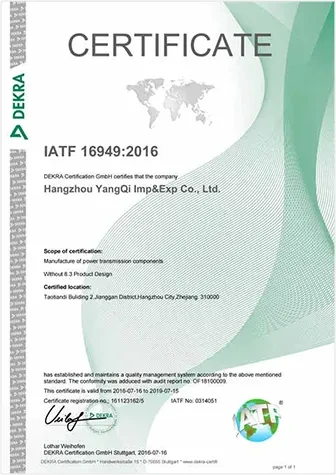
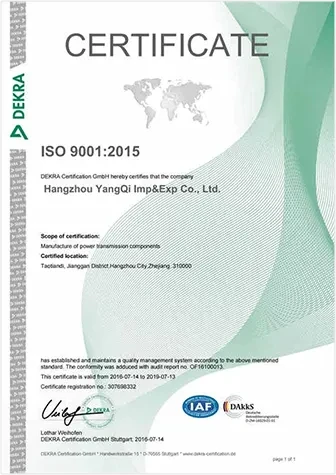
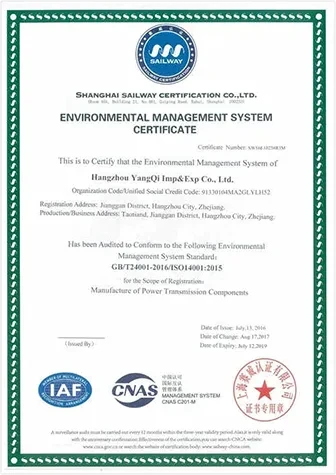
Our Certificate
Our company has become one of the most competitive companies in the field of automotive engine parts, and has obtained iso/ts16949:2009 quality system certification.
FAQ
As one of the leading timing system manufacturers and suppliers in China, we warmly welcome you to buy high-grade timing system in stock here from our factory. All auto parts are with high quality and competitive price.
