

What Is Engine Block?
Engine blocks are the large casings that contain the cylinder and its internal components, intake and exhaust passages, coolant passages, crankcases, and other internal components.The block, which is also known as the cylinder block, is where the crankshaft spins, and the pistons move up and down in the cylinder bores, fired by the fuel combusting. On some engine designs, it also holds a camshaft.
Advantages of Engine Block
High fatigue strength
High modulus of elasticity (ease of machining)
Corrosion resistant
Low thermal expansion
High thermal conductivity
Low density
-

The D4EB Engine Is Suitable For 2.0L/2.2L Models Such As ...
D4EB enginemodels such as Hyundai TucsonSanta FeSonataAzerafor 2.0L/2.2L models such as Hyundai Add to Inquiry -
The Modern G4HC Engine Assembly Is Suitable For Both The ...
The modern G4HC engine assembly Hyundai Atos MPV (MX) 1.0 Kia's Picanto modelsModern G4HC Modern Add to Inquiry -
Small Engine Long Block D4EB LBENG-1361-X For Hyundai San...
Engine Model:D4EBLB No.:LBENG-1361-XCar Model:Hyundai Santafe 2.2L Crdi Add to Inquiry -
Engine Long Block SQR484F LBENG-1124 For Chery Tiggo 5 2.0L
Engine Model:SQR484FLB No.:LBENG-1124Car Model:Chery Tiggo 5 2.0L Add to Inquiry -
Engine Long Block SQR481FC LB001-ENG-1022 For Chery Tiggo...
Engine Model:SQR481FCLB No.:LB001-ENG-1022Car Model:Chery Tiggo 1.8L Add to Inquiry -
Engine Long Block SQR477 LBENG-1122 For Chery Fulwin S22L...
Engine Model:SQR477LB No.:LBENG-1122Car Model:Chery Fulwin S22L1.5L Add to Inquiry -
Engine Long Block SQR472WF LBENG-1123-1 For Chery Yoki 1.1L
Engine Model:SQR472WFLB No.:LBENG-1123-1Car Model:Chery Yoki 1.1L Add to Inquiry -
Engine Long Block SQR472F LBENG-1157 For Chery QQ 1.1L
Engine Model:SQR472FLB No.:LBENG-1157Car Model:Chery QQ 1.1L Add to Inquiry -
Chery Omoda 1.6T & Tiggo 7 1.6T Engine Long Block | SQRF4...
Engine Model:SQRF4J16LB No.:LBENG-1341Car Model:Chery Omoda1.6T Tiggo7 1.6T Add to Inquiry -
DFSK Glory 330 1.3L Engine Long Block | DK13-08 LBENG-120...
Engine Model:DK13-08LB No.:LBENG-1208Car Model:DFSK Glory 330 1.3L Add to Inquiry -
Daewoo Matiz 0.8L Long Block Engine Replacement - F8C LBE...
Engine Model:F8CLB No.:LBENG-1377Car Model:DAEWOO MATIZ 0.8L Add to Inquiry -
Engine Long Block LMU B12D1 LBENG-1118 | Fits Chevrolet S...
Engine Model:LMU B12D1LB No.:LBENG-1118Car Model:Chevrolet Spark GT 1.2L Sail 1.2L Add to Inquiry


Why Choose Us
Our Factory
Liubei engine factory, located in jinhua, zhejiang, is a leading global provider of automotive power solutions. Since its establishment, we have been committed to designing, manufacturing, and providing innovative, reliable, and efficient engine products, contributing to the development of the automotive industry
One-stop Solution
Strive to build the best one-stop auto parts service platform in china, make auto parts services easier, go further, achieve customers,and achieve ourselves
Advanced Equipment
Our factory is equipped with the most advanced production equipment and automated production lines:
High precision cnc machine tools and machining centers
Intelligent assembly line and robot system
Advanced detection and testing equipment
Environmentally friendly manufacturing process
The application of these devices and technologies ensures that our products reach industry-leading levels in terms of quality, performance, and reliability
Quality Control
We have implemented a comprehensive quality management system, from raw material inspection to final product testing, and every process undergoes strict quality control. Our engine products comply with international standards and have passed multiple rigorous certifications and tests.
Customized Services
We provide personalized accessory recommendations and customization services to ensure that the accessories you choose perfectly match your vehicle model and usage needs
Types of Engine Block
Inline (straight) Block
Inline engine blocks have cylinders arranged in a single line. Inline engines are often used in passenger cars, motorcycles, and other vehicles. They are simple in design, easy to maintain, and cost-effective in production.
V Block
V engine blocks have cylinders arranged at an angle to each other, forming a “V” shape. V engines are popular in passenger cars, sports cars, and larger-capacity vehicles like SUVs and pickups. V engines are often more compact and can achieve higher power outputs compared to inline engines.
W Block
W engine blocks have cylinders arranged at an angle to each other in such a way that they form a “W” shape. This type of block is mainly used in high-capacity engines, including some sports cars and high-performance vehicles.
Boxer (Flat) Block
Boxer engine blocks have cylinders opposed to each other so that the pistons move in opposite directions. Boxer engines are characteristic of certain brands, such as Porsche and Subaru. With their low center of gravity and even weight distribution, boxer engines offer certain advantages in vehicle handling.
Rotary Block
Rotary engine blocks, also known as Wankel engines, have an unusual design with a rotating rotor instead of traditional pistons and cylinders. Rotary engines are relatively lightweight and compact, making them popular in ultralight aircraft, motorcycles, and sports vehicles.
Functions of the Engine Block
The engine block plays several critical roles, such as supporting cylinders, housing the crankshaft and valve train, and containing various engine accessories like coolant pumps, turbochargers, starter motors, timing belts, etc., thereby ensuring engine performance and long life.
01
Cylinder Housing
The engine block acts as a base that supports cylinders by properly aligning them with the combustion chamber lid. This alignment ensures effective sealing for the combustion chambers while facilitating the smooth movement of pistons inside their respective cylinders.
02
Coolant Passages
Coolant passages are incorporated into the engine block, which helps regulate engine temperature levels. These pathways permit the circulation of coolant across the entire engine, efficiently removing heat resulting from combustion processes. By preventing overheating, they allow for optimal engine operation over time.
03
Bearing Supports
Bearing supports or journals are cast into the engine block to hold the crankshaft in position, thereby reducing warpage between the crankshaft and engine block and allowing smooth rotation and efficient power transfer.

Components of Engine Block
Cylinder Head Covers
Cylinder head covers are crucial components that are affixed to the top of the engine block using long bolts. Positioned between the engine block and the cylinder head is a cylinder head gasket and these covers play a pivotal role in sealing both the combustion chamber and the cooling circuits. This sealing is essential for maintaining engine integrity and proper temperature regulation.
Cylinder Head
The cylinder head is a key element within the cylinder block. It's responsible for housing the valves, spark plugs, and, importantly, the combustion chamber. It plays a central role in managing the combustion process, ensuring proper sealing, and facilitating the circulation of coolant to regulate temperature, all of which are vital for engine performance.
Oil Pan
The oil pan, often found at the bottom of the engine, serves as a reservoir for engine oil. It collects and stores the oil that is vital for lubricating moving engine parts, such as the crankshaft, camshaft, and connecting rods. The oil pan ensures that the engine's components are adequately lubricated to prevent friction and wear.
Crankshaft Fixing Support
This component provides structural support and stability to the engine's crankshaft, which is responsible for converting reciprocating motion into rotational motion, a fundamental aspect of engine operation.
Coolant Circuit Passage
The coolant circuit passage allows the controlled flow of coolant throughout the engine to dissipate excess heat energy and maintain the engine's operating temperature within the desired range.
Cylinder
Cylinders are the essential chambers where the combustion process occurs. They accommodate the pistons, which move up and down within them, converting energy from the combustion process into mechanical power.
Lubrication Circuit Passages
These passages enable the distribution of engine oil to various components, ensuring that all moving parts are adequately lubricated to reduce friction and wear.
Auxiliary Equipment Support
This part provides mounting points for various auxiliary components and accessories that support the engine's operation, such as alternators, power steering pumps, and air conditioning compressors.
Threaded Holes For Cylinder Head Bolts
These holes serve as anchor points for securing the cylinder head to the engine block using bolts, ensuring a tight and secure seal to maintain combustion chamber integrity.
Material of Engine Block
Aluminum Alloy
Aluminum alloy engine blocks are lighter in weight and offer better fuel economy. Aluminum has higher thermal conductivity, resulting in improved heat dissipation.
Cast Iron
Cast iron engine blocks have a higher heat load capacity and greater potential for increasing engine power output. They are less susceptible to chemical reactions and exhibit stronger corrosion resistance. Cast iron cylinder blocks are also more cost-effective compared to aluminum alloy.
How to Maintain Engine Block
Regularly change the oil;
Regularly check the ignition system;
Maintain the cooling system in good condition;
Regularly clean the engine, including its internal components.

Cleaning an engine block
●Prepare the work areachoose a well-ventilated area with proper drainage for the cleaning process. Place a suitable container or tarp beneath the engine block to collect any cleaning solutions or debris.
●Safety precautionsbefore starting, ensure you are wearing appropriate safety gear, including gloves and safety glasses, to protect yourself from chemicals and debris.
●Removing grease and oilto clean grease and oil off the engine block, you can use the following methods:
Degreaser: Apply a suitable engine degreaser to the entire engine block. Allow it to penetrate and dissolve the grease and oil. Use a brush or scrubbing pad to agitate the surface, focusing on stubborn areas. Rinse off the degreaser thoroughly with water.
Steam cleaning: If available, a steam cleaner can effectively remove grease and oil. Direct the steam to the affected areas while using a brush to scrub away the contaminants. Ensure proper ventilation during this process.
●Cleaning after machiningafter machining an engine block, it is crucial to remove any metal shavings, coolant residue, and debris:
High-pressure water: Use a high-pressure washer to flush the engine block, ensuring that all loose debris and contaminants are removed. Pay close attention to water passages and galleries.
Solvent rinse: After the initial flush, perform a solvent rinse using a suitable engine degreaser or parts cleaner. This will dissolve any remaining residue. Rinse thoroughly with water to remove the solvent.
●Cleaning before assemblybefore assembling the engine, it is recommended to give the engine block a final cleaning:
Solvent soak: Submerge the engine block in a parts cleaner or solvent bath to remove any remaining contaminants. Allow the block to soak for the recommended time, then brush and rinse thoroughly.
Drying: Ensure the engine block is completely dry before proceeding with assembly. Use compressed air or a clean, lint-free cloth to remove any moisture.
Manufacturing Process of Engine Block
Mold Making
A combination of silica sand, clay, and water are poured in to the one half of the aluminum block pattern with wood or metal frame. The mold is then compacted by applying pressure or vibrating on the metal frame. This process is repeated for the other half of the mold. Then both halves of the mold are removed from the pattern.
Core Making
Core making is the process which forms the interior part of the casting. The mold provides a space for the molten metal to go, while the core keeps the metal from filling the entire space. Cores can be used to extend mold projections to create extra mold sections, or to block out and create negative drafts. The core shown below provides the space for water jackets around the cylinders. The core has been painted to seal the gas formed during the casting process within the core. And the pink colored ends are not painted to let the gas escape to the outside. Aluminum reinforcing rods are used to give more strength to the core. These rods get melted due to the molten metal poured during casting
Mold Arrangement
Then the water jackets and cylinder molds are arranged in the main mold as a one cube. The mold is then tightened using clamps to withstand the pressure of gravity when pouring molten metal.
Pouring Of Molten Metal
Now the mold is ready for the casting. The molten metal is poured in to the mold through the smaller front center hole which fills the mold from bottom back up to the top through the risers, which can be seen as 8 large holes. When the casting is cooling down the molten metal in the riser is drawn back down in to the casting. The risers act a main part in the casting process by supplying required molten metal during shrinkage.
Our Factory
Liubei engine factory, located in jinhua, zhejiang, is a leading global provider of automotive power solutions. Since its establishment, we have been committed to designing, manufacturing, and providing innovative, reliable, and efficient engine products, contributing to the development of the automotive industry.
We firmly believe that the engine is the heart of a car, driving every journey. Our mission is to provide excellent engine products and services to global customers through continuous technological innovation and process improvement, while committed to environmental sustainability.


Our Certificate
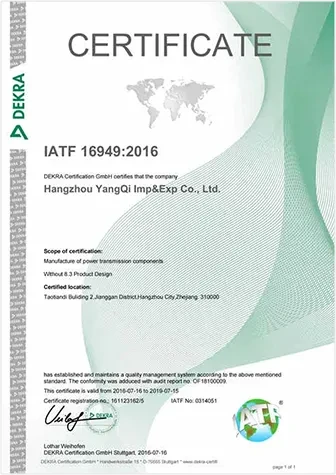
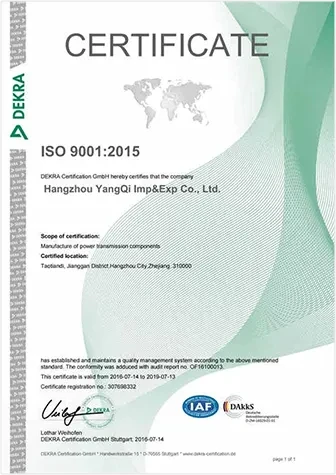
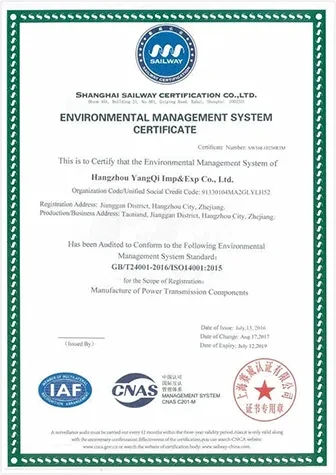
Our company has become one of the most competitive companies in the field of automotive engine parts, and has obtained iso/ts16949:2009 quality system certification.
FAQ
As one of the leading engine block manufacturers and suppliers in China, we warmly welcome you to buy high-grade engine block in stock here from our factory. All auto parts are with high quality and competitive price.
Engine Block Complete 465EA DFSK K07, Engine Block Complete 472WF, Engine Block Complete DFSK K01