

Hey there! As a spark plug supplier, I get asked a lot about how to figure out if the spark plug heat range is correct. It's a crucial question because using the right heat range can make a huge difference in your engine's performance. So, let's dive in and explore this topic together.
First off, what exactly is the spark plug heat range? Well, it's basically a measure of how quickly the spark plug can transfer heat from the firing end to the engine's cooling system. A spark plug with a high heat range runs hotter, while one with a low heat range runs cooler. The right heat range ensures that the spark plug stays clean and doesn't overheat or foul.
So, how do you know if your spark plug heat range is correct? There are a few tell - tale signs.

Visual Inspection
One of the easiest ways to check is by doing a visual inspection of the spark plug. When you remove the spark plug from the engine, take a good look at its tip.
If the spark plug is the right heat range, the insulator tip should be a light tan or brown color. This indicates that the plug is operating at the correct temperature, burning off any deposits and preventing fouling. It's like the Goldilocks zone for your spark plug – not too hot, not too cold.
On the other hand, if the insulator tip is white or blistered, it's a sign that the spark plug is running too hot. This could be due to a high heat range plug being used in an engine that requires a cooler one. Overheating can cause pre - ignition, which means the fuel in the cylinder ignites before the spark plug fires. This can lead to engine knocking, reduced power, and even damage to the engine over time.
Conversely, if the insulator tip is black and sooty, the spark plug is running too cold. A cold - running plug can't burn off carbon deposits, which build up on the tip and can cause misfires. This might happen if you're using a low heat range plug in an engine that needs a hotter one.
Engine Performance
Your engine's performance can also give you clues about the spark plug heat range.
If you notice that your engine is misfiring, especially under load or at high speeds, it could be a sign that the spark plugs are the wrong heat range. Misfiring occurs when the spark plug fails to ignite the air - fuel mixture properly. A cold - running plug might not be able to generate enough heat to ignite the mixture consistently, while a hot - running plug could cause pre - ignition, leading to misfires as well.
Another performance indicator is power loss. If your engine seems to be lacking power, or if it's not accelerating as smoothly as it should, the spark plug heat range could be to blame. An incorrect heat range can disrupt the combustion process, reducing the efficiency of the engine and resulting in less power output.
Manufacturer Recommendations
The best place to start when determining the correct spark plug heat range is the vehicle manufacturer's recommendations. Every engine is designed to work with a specific heat range of spark plugs. You can usually find this information in the vehicle's owner's manual or by contacting the manufacturer directly.
Manufacturers conduct extensive testing to determine the optimal spark plug heat range for their engines. They take into account factors like the engine's compression ratio, ignition timing, and operating conditions. So, following their recommendations is a surefire way to get the right spark plugs for your vehicle.
Tuning and Modifications
If you've made modifications to your engine, such as installing a turbocharger, supercharger, or a high - performance camshaft, the stock spark plug heat range might no longer be suitable. These modifications can increase the engine's power output and operating temperature, which means you might need to adjust the spark plug heat range accordingly.
For example, if you've added forced induction to your engine, the increased air pressure and temperature in the cylinders can cause the spark plugs to run hotter. In this case, you might need to switch to a colder heat range plug to prevent overheating and pre - ignition.
On the other hand, if you've made modifications that reduce the engine's operating temperature, like installing a more efficient cooling system, you might be able to use a slightly hotter heat range plug.
Our Spark Plug Offerings
As a spark plug supplier, we understand the importance of getting the right heat range for your engine. That's why we offer a wide range of spark plugs to suit different vehicles and engine configurations.
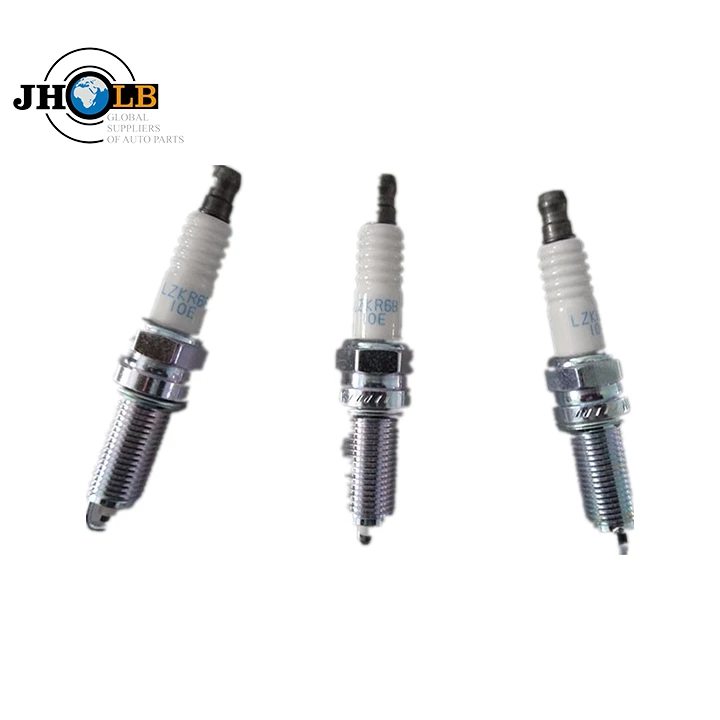
One of our popular products is the Iridium Spark Plugs for Toyota Lexus Honda | High - Performance 2024. These iridium spark plugs are designed to provide excellent performance and durability. Iridium is a very hard and heat - resistant material, which means these spark plugs can maintain a consistent spark and operate at the right temperature even under extreme conditions.
Whether you're a car enthusiast looking to upgrade your engine's performance or a mechanic working on a variety of vehicles, we've got the spark plugs you need. Our team of experts can also help you determine the correct heat range for your specific application.
Contact Us for Purchasing
If you're interested in purchasing spark plugs or need more information about spark plug heat ranges, don't hesitate to reach out to us. We're here to assist you in finding the perfect spark plugs for your vehicle. Whether you have a stock engine or a highly modified one, we can help you make the right choice.
References
- Haynes Repair Manuals
- Chilton Automotive Repair Manuals
- Vehicle manufacturer's owner's manuals