

What Is Engine Wiring Harness and Oil Seal?
Engine Wiring Harness: An engine wiring harness, commonly referred to as a wiring loom or cable assembly, is a comprehensive and organized assembly of wires, cables, connectors, and terminals designed to transmit electrical power and signals between various components within an automotive engine system. It serves as the central nervous system of the vehicle, connecting critical elements such as sensors, actuators, and the engine control unit , facilitating seamless communication and coordination for the optimal functioning of the engine.
Oil Seal: Also known as a rotary shaft seal, shaft seal, lip seal, elastomeric lip seal or any variation of these. It is a simple device for excluding dust, dirt, water or any other contaminant whilst retaining lubricant in rotary shaft equipment. Generally, it has been developed as a means of protecting the bearings of rotating shafts.
Advantages of Engine Wiring Harness and Oil Seal
Advantages of Engine Wiring Harness
Reduce installation time
Imagine installing multiple wires in the system. Then, consider installing only a single unit that combines multiple wires. Obviously, installing a single unit is faster than installing multiple units. In addition, this reduces the risk of incorrect wiring.
Reduce the risk of shorting
The wire harness combines multiple wires into a non-flexible bundle, making it safer than loose wires and minimizing the risk of short circuits.
Good performance in harsh conditions
Engine wiring harnesses are made of durable materials, so the wiring harnesses are also durable. They are designed in such a way that these beams can perform very well under harsh conditions and can also carry heavy power loads.
Improve fuel efficiency
Engine wiring harnesses play an important role in improving the fuel efficiency of any vehicle.
The performance of hybrid vehicles
Hybrid vehicles are in high demand, and engine wiring harnesses are the best choice because they also provide excellent performance in harsh environments. This means that these harnesses can carry high currents even under extreme conditions, so they can handle electrical loads and resist high heat and electromagnetic noise.
Advantages of Oil Seal
Low levels of friction.
The lubrication within the seal ensures that the seal lip does not come into contact with the rotary shaft, eliminating the risk of burning or wear.
Compact size and lightweight.
Oil seals possess a small and lightweight design, which belies their strong endurance capabilities.
Reliable, rugged performance.
Even under harsh conditions or extreme temperatures, these durable components will maintain their seal.
Simple construction.
Easy to handle and assemble, oil seals only take a matter of minutes to replace as technicians do not have to take a machine apart.
Versatility.
Standard lip seals are best for applications within dry environments, or those lacking lubrication. Oil seals can act as an alternative with increased functionality.
-

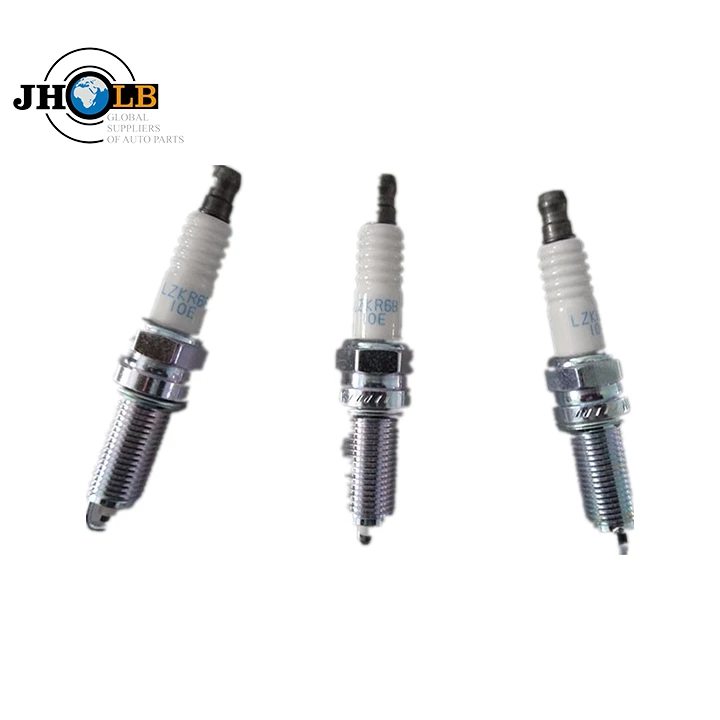
Iridium Spark Plugs for Toyota Lexus Honda | High-Perform...
The spark plug is a critical component in internal combustion engines, responsible for igniting the air-fuel mixture within the engine cylinder to initiate combustion. The design and functionality of Add to Inquiry

Why Choose Us
Our Factory
Liubei engine factory, located in jinhua, zhejiang, is a leading global provider of automotive power solutions. Since its establishment, we have been committed to designing, manufacturing, and providing innovative, reliable, and efficient engine products, contributing to the development of the automotive industry
One-stop Solution
Strive to build the best one-stop auto parts service platform in china, make auto parts services easier, go further, achieve customers,and achieve ourselves
Advanced Equipment
Our factory is equipped with the most advanced production equipment and automated production lines:
High precision cnc machine tools and machining centers
Intelligent assembly line and robot system
Advanced detection and testing equipment
Environmentally friendly manufacturing process
The application of these devices and technologies ensures that our products reach industry-leading levels in terms of quality, performance, and reliability
Quality Control
We have implemented a comprehensive quality management system, from raw material inspection to final product testing, and every process undergoes strict quality control. Our engine products comply with international standards and have passed multiple rigorous certifications and tests.
Customized Services
We provide personalized accessory recommendations and customization services to ensure that the accessories you choose perfectly match your vehicle model and usage needs
Types of Engine Wiring Harness and Oil Seal
Types of Engine Wiring Harness
Airbag harness
Controls the opening of the airbag in the vehicle.
Main harness
Controls instruments, control panel, guidance system, multimedia, and electronic equipment. Forms part of the chassis wiring harness together with the front and rear harnesses.
Engine harness
Manages the key functions around the engine including engine controller, oil controller gate, transmission plug housing, air pipe sensors, pressure sensors, and water temperature sensors.
Body wiring harness
Keeps the air conditioning system, back sonar, navigation, dimmer switches, and speakers functioning.
Battery harness
Delivers the main power to the other units. Serves as a connecting bridge between the engine and other vehicle components.
Door wiring harness
Found in car doors. Controls door and window lock, door and window power, and the speaker.
Roof harness
Located in the car’s roof and controls roof features, including the sunroof.
Front wiring harness
Forms part of the chassis wiring harness together with the main and rear harnesses. Controls air conditioner fan, cooler fan, power sensor, temperature sensor, pedal sensor, speed limit sensor, oxygen sensor, and more.
Types of Oil Seal
Metal cased oil seals
Metal-cased oil seals are used when installed to a housing bore made of the same material. This allows for equal contraction and expansion of the materials during operation, preventing leakage from occurring. Typically metal-cased seals are more cost efficient than rubber seals.
Rubber cased oil seals
Rubber-cased oil seals are the most common oil seal execution, used when a metal-cased seal has the potential to fail (for example because of thermal expansion). Oil seals with a rubber case cannot rust, in contrast to oil seals with metal cases. Moreover, oil seals with a rubber case can seal a lightly damaged housing much better than metal cased oils seals. In high temperatures and high pressures, fast expanding rubber can provide a tight fit and more stable sealability.
The most commonly used type is type R. This type has a carbon steel insert and has rubber outside diameter. The rubber gives a good sealing capability, even when the housing is not fully in tolerance. The sealing lip with spring provides interference on the shaft for effective sealing. The outside diameter, with inner metal reinforcement case, allows press-fitting in the housing, with sufficient interference on the rubber to provide static sealing.
Application of Engine Wiring Harness and Oil Seal


Application of Engine Wiring Harness
Automotive applications
To simply start an automobile, truck, motorcycle, tractor, and so on, relies on a variety of electronic controls and electrical devices to transmit signals and electrical power to turn the engine over and achieve ignition. The transmission of those signals is part of an immense wiring network that allows vehicles to function. That functionality is achieved through engine wiring harness applications that connect the engine management system, lighting, power steering, power brakes, audio and entertainment system, electric windows, air conditioning and so on into an efficiently operating vehicle. Engine wiring harnesses are used to connect those devices and deliver electricity and electronic signals through the entire vehicle.
Manufacturing
Engine wiring harness assemblycomplex wiring, cabling systems, and networks drive automated and robotic production and assembly lines found in today’s manufacturing plants and facilities. Engine wiring harnessing applications connect power and signal conductors that control different systems within the same area or along the production line. Engine wiring harnesses ensure connectivity and properly seal cabling and wires to ensure that production is fully optimized.
Medical applications
In healthcare, electronic medical equipment, devices, and instruments are subject to heavy use, but also varying degrees of high and low intensity. The engine wiring harness applications used in these devices must be durable, adaptable, and biocompatible. Whether the device is a defibrillator, drill, pacemaker, or imaging or radiological equipment, it must be able to function on demand without failure.
Communication systems
Global connectivity requires an infrastructure that can send and receive data instantaneously anywhere around the world. Communication systems depend on specialized harnesses for an array of technologies and a wide range of applications. Engine wiring harnesses are integral components in the assembly of hubs, routers, repeaters, modems, peripheral equipment, optical networks, broadband networks and much more.
Military applications
Engine wiring harness capabilities for any military application must meet stringent dod (department of defense) specifications. Cabling and wiring used in military equipment is designed for applications subject to extreme environments and conditions. Military engine wiring harnesses must be manufactured with components—wires, connectors, terminals—that are specified and/or approved for demanding military applications.
Application of Oil Seal
Automotive industry: Automobiles use oil seals around various parts like the engines, transmissions, differentials, and the wheel hubs. They help avoid spilling of oil and help exclude contaminants which are vital for the sound running and durability of the car.
Industrial machinery: In manufacturing plants, applications of oil seals include pumps, gearboxes, motors and hydraulic systems. They ensure the smooth running and dependable service of the equipment by sealing cracks that are prone to leakages and shielding the internal parts from various unhealthy elements.
Aerospace: Aerospace engineering applications are some of the most rigorous, especially in aircraft engines and other parts; this is why oil seals used here have to be specially designed to stand up to high temperatures, pressures and overall harsh conditions. They maintain the operational safety of airplanes and other flying vehicles.
Agricultural equipment: The implements like tractors, harvesters and many other agricultural implements are greatly benefited with the help of oil seals as they do not allow dust and dirt to enter into the moving parts of the implement hence they deliver good performance in the field conditions.
Marine industry: Oil seals are used in marine engines, gear boxes and propulsions where they exclude water and retain oil to enhance the functionality and life of the marine equipment.
Medical equipment: Precision medical devices, such as pumps and diagnostic equipment, use oil seals to maintain sterile conditions and prevent contamination. These seals are critical for ensuring the accuracy and reliability of medical instruments.
Renewable energy: In wind turbines and solar power systems, oil seals protect the moving parts from harsh environmental conditions, ensuring efficient energy generation and reducing maintenance requirements.
Components Of Engine Wiring Harness And Oil Seal
Components Of Engine Wiring Harness
Wires and cables:
Copper wires: Widely used for their excellent conductivity.
Aluminum wires: Lightweight alternative to copper, suitable for specific applications.
Shielded wires: Employed for minimizing electromagnetic interference .
Twisted pair wires: Reduce signal crosstalk in communication lines.
Insulation materials:
Polyvinyl chloride: Commonly used for general-purpose insulation.
Cross-linked polyethylene: Offers enhanced thermal and chemical resistance.
Teflon: Provides high-temperature resistance and low friction.
Connectors:
Plug connectors: Simple and secure connections for quick assembly and disassembly.
Socket connectors: Complementary to plug connectors, ensuring proper alignment and contact.
Circular connectors: Resistant to environmental factors such as moisture and dust.
Rectangular connectors: Space-efficient and organized for specific applications.
Terminals:
Function in connecting wires:
Serve as endpoints for wires, facilitating secure attachment.
Establish electrical connections between wires and other components.
Enable the transmission of signals or power to various engine elements.
Components Of Oil Seal
Dust lip: Prevents particles from reaching the sealing lip.
Sealing lip: Guarantees dynamic and static sealing.
Metal case: The metal case supports the rotary shaft seal, ensuring the structural stability.
Spring: Spiral shaped, ensures constant pressure and maintains the optimal force to the shaft.

Material of Engine Wiring Harness and Oil Seal
Neoprene
Its characteristics are good resistance to ozone, heat aging, oil resistance, etc., and it is flame retardant and self-extinguishing; but its low temperature resistance is not good.
Natural Rubber
The characteristics are good elasticity and mechanical strength, excellent flex resistance, high tear strength and good cold resistance.
Silicone
Heat resistance, cold resistance and weather resistance are good;
EPDM
Weather resistance, ozone resistance, heat resistance, corrosion resistance, acid and alkali resistance, etc.
Nitrile
Nitrile has a great set of attributes such as low compression set, high tensile strength, and abrasion resistance.
Viton®
They have low compression set characteristics. Viton® oil seals are used preferably in chemical exposure situations and for hard vacuum service.
HNBR
HNBR oil seals have excellent resistance to petroleum oils and sour gas.
Teflon®
Teflon®oil seals are tough, chemically inert, and have outstanding chemical resistance.
Polyacrylate
Polyacrylate oil seals have higher heat resistance than nitrile.
How to Maintain Engine Wiring Harness and Oil Seal
Maintain Engine Wiring Harness
Regular inspections: Conducting routine inspections of the engine wiring harness can help identify any signs of wear, damage, or loose connections. Look for frayed or exposed wires, melted insulation, or signs of rodent damage. Promptly address any issues found during inspections.
Protective measures: Installing protective measures, such as wire loom or conduit, can help shield the wiring harness from external elements, such as heat, vibrations, or moisture. These protective coverings provide an extra layer of insulation and can prevent damage to the wiring.
Proper installation and routing: Ensure that the wiring harness is installed correctly and routed in a way that minimizes exposure to potential hazards. Avoid routing the harness near hot engine components, sharp edges, or moving parts that could cause abrasion or damage. Secure the harness properly to prevent it from rubbing against other components.
Address underlying issues: Address any underlying issues that could contribute to wiring harness failures. For example, fix any leaks that could expose the harness to moisture or corrosive substances. Implement rodent control measures to prevent damage caused by rodents attracted to the wiring materials.
Professional assistance: If you are unsure about inspecting or maintaining the wiring harness yourself, seek professional assistance. A qualified technician can perform thorough inspections, identify potential issues, and provide appropriate repairs or replacements.
Maintain Oil Seal
Regular Lubrication: Ensuring adequate lubrication will minimize friction and prevent wear and tear on the seal. Use only compatible lubricants as per the seal material to avoid chemical erosion.
Routine Inspections: Schedule regular inspections of the oil seals to spot any signs of failure, such as leakage, hardening, or visible wear. Catching issues early can prevent minor problems from escalating into significant failures.
Proper Cleaning: Dirt, grime, and debris can damage the sealing surface, leading to leaks. Regular cleaning of the seal and surrounding areas can help prevent this.
Monitor Operating Conditions: Keep track of pressure levels, temperatures, and shaft speed. Excessive fluctuations can signal something wrong and potentially harm the oil seal.
Replacement: Even with impeccable maintenance, oil seals won’t last forever. Understanding the typical lifespan of the oil seal type and material used in your machinery will help you plan for timely replacements.
Our Factory
Liubei engine factory, located in jinhua, zhejiang, is a leading global provider of automotive power solutions. Since its establishment, we have been committed to designing, manufacturing, and providing innovative, reliable, and efficient engine products, contributing to the development of the automotive industry.
We firmly believe that the engine is the heart of a car, driving every journey. Our mission is to provide excellent engine products and services to global customers through continuous technological innovation and process improvement, while committed to environmental sustainability.


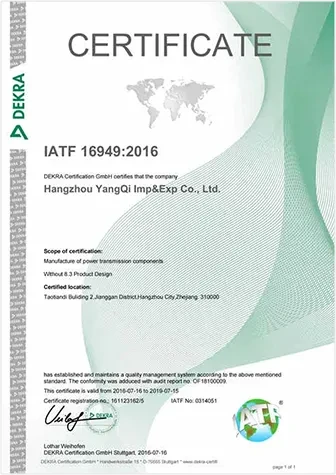
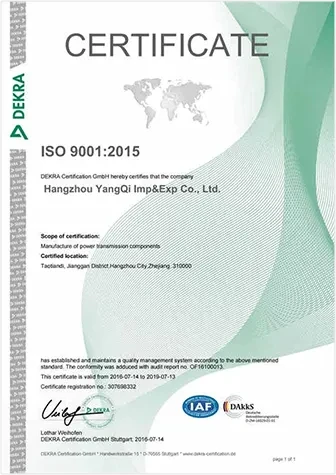
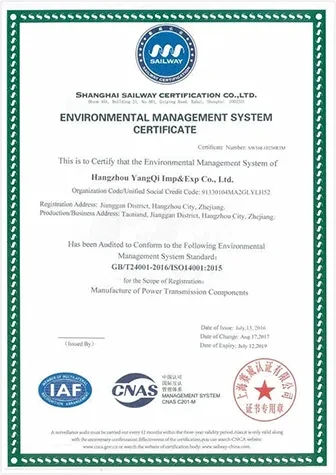
Our Certificate
Our company has become one of the most competitive companies in the field of automotive engine parts, and has obtained iso/ts16949:2009 quality system certification.
FAQ
As one of the leading engine wiring harness and oil seal manufacturers and suppliers in China, we warmly welcome you to buy high-grade engine wiring harness and oil seal in stock here from our factory. All auto parts are with high quality and competitive price.
grader blade oil seal, oil pump oil seal, compressor oil seal