

What Is Engine?
An engine is some machine that converts energy from a fuel to some mechanical energy, creating motion in the process. Engines - such as the ones used to run vehicles - can run on a variety of different fuels, most notably gasoline and diesel in the case of cars. In thermodynamic terms, engines are generally referred to as heat engines, which produce macrosopic motion from heat.
Advantages of Engine
Economic Advantages
Engine not only provide environmental benefits but also offer economic advantages. These include cost-effectiveness in operation and maintenance, as well as enhanced durability, making them a financially sound choice for a variety of applications.
Maintenance And Durability
Engines are renowned for their durability and comparatively low maintenance requirements. They are designed to withstand rigorous use. This durability translates to fewer breakdowns and a reduction in maintenance costs over the engine’s lifecycle.
Versatility In Applications
The versatility of engine is another advantage. They can be used in a myriad of settings ranging from small-scale residential power generation to large industrial and commercial applications.
Future Potential And Innovations
The realm of engines is continuously evolving, driven by technological innovations and a growing focus on sustainable energy solutions. This evolution points to a promising future, where engines not only adapt to changing energy demands but also lead in pioneering advanced power generation technologies.
Technological Advancements
Recent years have witnessed significant technological advancements in engine design and functionality. These innovations focus on increasing efficiency, reducing emissions, and enhancing the overall performance of these engines.
-

Toyota 2TR-FE 2.7L VVT-i Gasoline Engine Long Block | 20-...
High-Quality 2TR-FE 2.7L VVT-i Gasoline Engine Long Block for Toyota Hilux Hiace Prado FortunerJHLB Global Suppliers is a professional manufacturer and supplier of replacement auto engines with 20+ Add to Inquiry -
Toyota 2KD-FTV 2.5L D-4D Diesel Engine Long Block Product...
Toyota 2KD-FTV 2.5L D-4D Diesel Engine Long Block | 20-Year Factory Direct | IATF16949 Certified | Fits Hilux Hiace FortunerLet's be honest. If you're in the auto parts business, you've definitely Add to Inquiry -
Premium D4EB 2.0L CRDI Diesel Engine Long Block for Hyund...
Premium D4EB 2.0L CRDI Diesel Engine Long Block For Hyundai Kia VehiclesJHLB Global Suppliers offers high-quality replacement D4EB diesel engine long blocks designed to meet or exceed original Add to Inquiry -
The D4EB Engine Is Suitable For 2.0L/2.2L Models Such As ...
D4EB enginemodels such as Hyundai TucsonSanta FeSonataAzerafor 2.0L/2.2L models such as Hyundai Tucson, Santa Fe, Sonata, and Azera Add to Inquiry -
The Modern G4HC Engine Assembly Is Suitable For Both The ...
The modern G4HC engine assembly Hyundai Atos MPV (MX) 1.0 Kia's Picanto modelsModern G4HC Modern G4HC Engine Add to Inquiry -
Small Engine Long Block D4EB LBENG-1361-X For Hyundai San...
Engine Model:D4EBLB No.:LBENG-1361-XCar Model:Hyundai Santafe 2.2L Crdi Add to Inquiry -
The Modern G4HC Gearbox Is Suitable For The Hyundai Atos ...
The modern G4HC gearboxGearbox G4HCFor the Hyundai Atos MPV 1.0L/Picanto 1.0LHyundai Atos MPV 1.0L/Picanto 1.0L Add to Inquiry -
Engine Long Block SQR484F LBENG-1124 For Chery Tiggo 5 2.0L
Engine Model:SQR484FLB No.:LBENG-1124Car Model:Chery Tiggo 5 2.0L Add to Inquiry -
Engine Long Block SQR481FC LB001-ENG-1022 For Chery Tiggo...
Engine Model:SQR481FCLB No.:LB001-ENG-1022Car Model:Chery Tiggo 1.8L Add to Inquiry -
Engine Long Block SQR477 LBENG-1122 For Chery Fulwin S22L...
Engine Model:SQR477LB No.:LBENG-1122Car Model:Chery Fulwin S22L1.5L Add to Inquiry -
Engine Long Block SQR472WF LBENG-1123-1 For Chery Yoki 1.1L
Engine Model:SQR472WFLB No.:LBENG-1123-1Car Model:Chery Yoki 1.1L Add to Inquiry -
Engine Long Block SQR472F LBENG-1157 For Chery QQ 1.1L
Engine Model:SQR472FLB No.:LBENG-1157Car Model:Chery QQ 1.1L Add to Inquiry


Why Choose Us
Our Factory
Liubei engine factory, located in jinhua, zhejiang, is a leading global provider of automotive power solutions. Since its establishment, we have been committed to designing, manufacturing, and providing innovative, reliable, and efficient engine products, contributing to the development of the automotive industry
One-stop Solution
Strive to build the best one-stop auto parts service platform in china, make auto parts services easier, go further, achieve customers,and achieve ourselves
Advanced Equipment
Our factory is equipped with the most advanced production equipment and automated production lines:
High precision cnc machine tools and machining centers
Intelligent assembly line and robot system
Advanced detection and testing equipment
Environmentally friendly manufacturing process
The application of these devices and technologies ensures that our products reach industry-leading levels in terms of quality, performance, and reliability
Quality Control
We have implemented a comprehensive quality management system, from raw material inspection to final product testing, and every process undergoes strict quality control. Our engine products comply with international standards and have passed multiple rigorous certifications and tests.
Customized Services
We provide personalized accessory recommendations and customization services to ensure that the accessories you choose perfectly match your vehicle model and usage needs
Types of Engine
Internal Combustion Engines
Internal combustion engines have been the backbone of automotive power for over a century. The basic principle involves burning a mixture of fuel and air within the engine to produce controlled explosions that drive the pistons, ultimately turning the crankshaft and propelling the vehicle forward.
Gasoline Engines
Most cars on the road today are powered by gasoline engines. These engines burn a mixture of gasoline and air to generate power. They are known for their smooth operation and are suitable for a wide range of driving conditions. The air-fuel mixture is compressed to a ratio of between 8:1 and 12:1 so the energy is condensed.
Diesel Engines
Diesel engines, commonly found in trucks and some passenger vehicles, operate on diesel fuel. These engines are known for their fuel efficiency and torque, making them ideal for heavy-duty applications. In these engines, the air-fuel mixture is compressed to a ratio of between 14:1 to 22:1 typically.
Forced Air Induction
Two other designs are adaptations on gas and diesel engines: Turbocharging and supercharging. Turbocharging involves compressing the air by a turbine in the exhaust before it enters the combustion chamber. It results in more air and fuel being burned, and thus, more power. Turbocharged engines are popular in performance-oriented gas vehicles, and many diesel engines use turbos to produce higher horsepower and torque too.
Similar to turbocharging, supercharging increases the amount of air entering the engine but uses a different method. A supercharger is driven by a belt connected to the engine’s crankshaft, providing instant power and responsiveness. You typically only see superchargers on gas engines.
Electric motors
As technology continues to advance, electric vehicles (evs) are becoming increasingly prevalent on our roads. Electric motors offer a different approach to powering vehicles, relying on electricity stored in batteries rather than traditional combustion processes.
Hybrid engines
Hybrid vehicles combine the benefits of internal combustion engines and electric motors, offering a versatile, efficient powertrain. These vehicles can operate on electric power at lower speeds and seamlessly switch to the combustion engine for higher speeds or when additional power is needed.
Rotary engines
Rotary engines, also known as wankel engines, offer a distinctive alternative to traditional piston-driven engines. Instead of pistons moving up and down, rotary engines use a triangular rotor that spins in a circular motion within a housing. They produce similar power to a small v6 in a much lower-displacement design. Mazda made them popular with the introduction of the cosmo, rx-7, and rx-8 models.
Application of Engine

Automotive Vehicles: The major application of engine is in cars, motorcycles, trucks, buses, and other vehicles.
Aircraft: Another application of engine is to power various types of aircraft, including general aviation planes and some helicopters.
Marine Vessels: Engines are used in boats, ships, and other watercraft for propulsion.
Power Generators: Engines are used in generators to produce electricity for various applications, especially in remote areas and as backup power sources.
Construction Equipment: Engines are found in various construction machinery like excavators, bulldozers, and cranes.
Agriculture: Tractors and other farming equipment often use engines to perform various tasks on farms.
Industrial Machinery: Engines are used in various industrial machines, including compressors, pumps, and generators.
Lawn And Garden Equipment: Lawnmowers, chainsaws, and other gardening tools often use engines for power.
Portable Equipment: Portable generators, pressure washers, and other equipment often rely on engines for mobility and power generation.
Small Engine Applications: Engines power a wide range of small-scale applications like motorised scooters, mopeds, and motorbikes.

Components of Engine
The Cylinder Block
The engine block, often made of cast iron or aluminum, houses the cylinders, providing a sturdy and secure environment for the internal combustion process. The engine’s parts are bolted to the cylinder block in some fashion. It also has channels and passageways that allow various fluids to circulate through the engine, such as coolant and oil. These channels help in temperature regulation and lubrication.
Pistons
Pistons are cylindrical components that move up and down inside the cylinders. They are connected to the engine’s crankshaft through connecting rods. As the fuel-air mixture ignites in the cylinders, the resulting high-pressure gases push the pistons downward. This motion is what generates the mechanical energy needed to power your car.
Piston Rings
Piston rings are circular bands that fit around the pistons, creating a seal between the piston and the cylinder wall. They prevent the escape of combustion gases from the combustion chamber and help distribute oil on the cylinder walls for lubrication.
Connecting Rods
Connecting rods link the pistons to the crankshaft. They play a critical role in transferring the up and down motion of the pistons to the rotational motion of the crankshaft, which ultimately drives the wheels.
Crankshaft
The crankshaft converts the linear motion of the pistons into rotational motion. This rotation is what drives the various engine accessories and ultimately propels the vehicle forward.
The Cylinder Head
Think of the cylinder head as the brain of the engine. It sits atop the cylinder block, sealing the cylinders and creating a combustion chamber. Inside the cylinder head, you’ll find the intake and exhaust ports, as well as the spark plug openings. These are the entry and exit points for air, fuel, and exhaust gases.
Valvetrain
The valvetrain consists of valves, camshafts, and other components responsible for opening and closing the intake and exhaust valves in sync with the engine’s operation. When the intake valve opens, air and fuel enter the cylinder. Then, when the exhaust valve opens, combustion byproducts exit.
Camshaft
The camshaft is a long within the cylinder head that’s responsible for actuating the opening and closing of the intake and exhaust valves. It does so by following a carefully designed cam profile, ensuring precise valve timing.
Timing Chain or Belt
The timing chain or belt connects the camshaft to the crankshaft, synchronizing their movements to maintain precise valve timing. It’s crucial for the engine to run efficiently and avoid damage.
Air Intake System
The air intake system is responsible for delivering clean air to the engine. It includes an air filter to remove impurities and a series of ducts or tubes that guide the air into the intake manifold. The throttle body controls the amount of air entering the engine, affecting its performance.
Throttle Body
The throttle body is responsible for regulating the amount of air that enters the engine. By controlling the size of the opening, it dictates the engine’s power output and RPMs based on driver input.
Intake Manifold
The intake manifold is a network of tubes or passages that distribute the air-fuel mixture to the cylinders. It optimizes the flow and distribution of the mixture, contributing to the engine’s performance and efficiency.
Lubrication System
The lubrication system’s primary job is to reduce friction and wear among moving parts. It relies on engine oil, an oil pump, and a network of channels to distribute oil to various engine components. Without proper lubrication, the engine’s moving parts would grind against each other, causing significant damage.
Cooling System
Engines can get scorching hot during operation, and overheating can lead to severe damage. The cooling system prevents this by using a mix of water and coolant to regulate the engine’s temperature. The water pump circulates coolant through the engine and radiator, where heat is dissipated into the surrounding air. A thermostat helps maintain the engine at the optimal temperature for efficiency and longevity.
How to Maintain Engine
Change Engine Oil At Regular Intervals
This is the least you can do. The engine oil keeps all moving parts well lubricated so that wear and tear is minimal. Also, it traps all the dust, dirt, and sediments, keeping them out of places they shouldn’t be. Check oil levels every month and top up if the level is low. Oil grade and change intervals are subject to the manufacturer’s recommendations. The oil filter is equally important as it filters all the junk from the oil and stops regulation back into the engine. This will ensure that you engine runs smooth and cool.
Keep Check On The Cooling System
Even though we have come a long way in terms of efficiency of a car engine, a lot of energy is lost during combustion in the form of heat. Metals and alloys, which your car engine is made out of, are not very good friends with heat. Always ensure there is ample coolant in the tank as it is very important for heat dissipation. A 1:1 ratio of coolant and distilled water is ideal. Also, it’s a good thing to look at the engine temp gauge on a hot sunny day and shut your car down in case it’s close to overheating.
Let It Breathe
A constricted air flow can cause the fuel to not burn completely, in turn increasing emissions and reducing mileage. Check the air filter and get it cleaned/ changed whenever you feel there is too much dirt and debris stuck to it. Your engine needs to breathe properly to function well and keep going.
Look For Leaks
When you pull out of the driveway, stop and look at the parking spot for any fluids on the ground. If the fuel is leaking, you should visit the nearest mechanic and get it checked. You can also check under the hood to see or smell something leaking. Engine oil and antifreeze are fluids you should look out for when checking for leaks.
Don’t Keep Going On Reserve Fuel
Petrol contains sediments which settle at the bottom of your tank. Years of running and there will be definitely a layer of crap which shouldn’t reach the engine. Running on low fuel pulls this junk into the fuel pump which could cause a lot of wear. Instead of just praying it doesn’t reach the engine, top up your tank and save yourself repair/ replacement cost of the fuel filter and pump.
Check Your Belts
Rubber belts are essential links to keep everything in tune when an engine runs. If you hear a squeal coming from under the hood, it is time to replace them. You should check your belts for cracks and signs of wear even though they last a long time. But if they break while the engine is running, it can cause serious damage to engine components, “expensive engine components”!
Don’t Ignore The Check Engine Light
This light is your car’s subtle scream for help. Never ignore this and immediately get the car inspected by your local mechanic. We did an article earlier on what it could possibly mean - Check Engine Light Popping Up? Here Is What It Means. It’s basically a self-diagnosis which is put in place to protect your engine. It’s not necessarily serious every time but you’ll never know unless you get it checked.
Replace Your Fuel Filter
It’s similar to the oil filter but filters out junk from the fuel, prohibiting entry into the combustion chamber. A new filter means free flow of clean fuel to the fuel pump and engine. This ensures there is less build-up inside the engine and its thirst for fuel is quenched.
Replace Spark Plugs And Wires
The spark plug acts as a fire starter. It ignites the air-fuel mixture in the cylinders and requires little maintenance owing to its long life span. Regular maintenance will ensure that the engine retains its spark. At times, they don’t even need replacement. Some cleaning can be of great help as a lot of soot gets accumulated around the electrode over time.
Your Engine Doesn’t Like Revving Just To Come To A Complete Halt
Engines are engineered to run at constant speed. This is when they perform the best. Too much variation in the revs tires it out and this takes a toll. City driving, where you constantly move and come to a stop is really hard on the engine. Try not to rev too hard. Instead, be sure footed and don’t over-accelerate when you know you have to stop again.
How the Engine Works
Intake
The intake valve opens and the air and fuel mixture is sucked into the cylinder.
Compression
The intake valve closes and the air and fuel mixture is compressed by a piston.
Combustion
In this stage, the air and fuel mixture explodes and the power created by the explosion causes the piston to move down.
Exhaust
The burned gases in the cylinder are removed through a valve.
The piston is connected to the crankshaft by a connecting rod. As the crankshaft revolves, it has the effect of "resetting the cannon." here's what happens as the engine goes through its cycle:
The piston starts at the top, the intake valve opens, and the piston moves down to let the engine take in a cylinder full of air and gasoline. This is the intake stroke. Only the tiniest drop of gasoline needs to be mixed into the air for this to work.
Then the piston moves back up to compress this fuel/air mixture. Compression makes the explosion more powerful.
When the piston reaches the top of its stroke, the spark plug emits a spark to ignite the gasoline. The gasoline charge in the cylinder explodes, driving the piston down.
Once the piston hits the bottom of its stroke, the exhaust valve opens and the exhaust leaves the cylinder to go out the tailpipe.
Now the engine is ready for the next cycle, so it intakes another charge of air and gas.
Our Factory
Liubei engine factory, located in jinhua, zhejiang, is a leading global provider of automotive power solutions. Since its establishment, we have been committed to designing, manufacturing, and providing innovative, reliable, and efficient engine products, contributing to the development of the automotive industry.
We firmly believe that the engine is the heart of a car, driving every journey. Our mission is to provide excellent engine products and services to global customers through continuous technological innovation and process improvement, while committed to environmental sustainability.


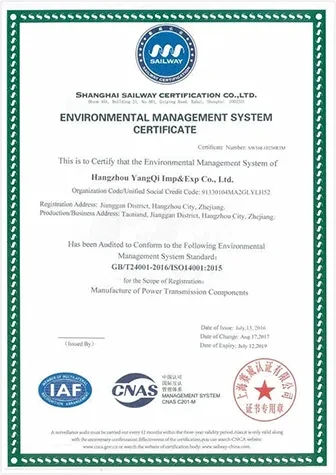
Our Certificate
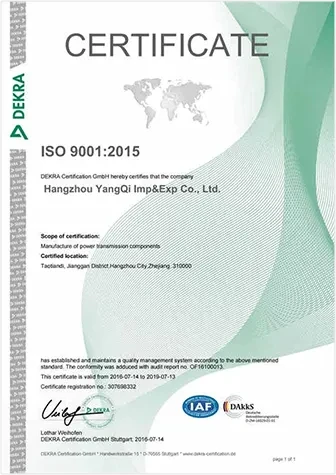
Our company has become one of the most competitive companies in the field of automotive engine parts, and has obtained iso/ts16949:2009 quality system certification.

FAQ
As one of the leading engine manufacturers and suppliers in China, we warmly welcome you to buy high-grade engine in stock here from our factory. All auto parts are with high quality and competitive price.
engine