

As a trusted supplier of Engine Block MGZS, I've had the privilege of delving deep into the intricacies of engine components. One such crucial component that often goes unnoticed but plays a vital role in the smooth operation of the engine is the balance shaft. In this blog, we'll explore the function of the balance shaft in the Engine Block MGZS, shedding light on its importance and how it contributes to the overall performance of the vehicle.
Understanding the Basics of an Engine Block
Before we dive into the specifics of the balance shaft, let's first understand the role of the engine block. The engine block is the foundation of the engine, housing the cylinders, pistons, crankshaft, and other essential components. It provides a rigid structure that supports the moving parts and ensures proper alignment and operation. In the case of the Engine Block MGZS, it is designed to meet the high-performance requirements of the vehicle, delivering power and efficiency.
The Need for Balance in an Engine
Engines, by their nature, generate a significant amount of vibration due to the reciprocating motion of the pistons. This vibration can have several negative effects, including reduced comfort for the passengers, increased wear and tear on the engine components, and even potential damage to the engine over time. To counteract these vibrations, engine designers incorporate balance shafts into the engine block.
What is a Balance Shaft?
A balance shaft is a rotating shaft that is specifically designed to counteract the vibrations generated by the engine. It is typically located in the engine block and is driven by the crankshaft through a gear or chain. The balance shaft rotates in the opposite direction of the crankshaft and has carefully placed weights that are designed to cancel out the unbalanced forces created by the pistons.
Function of the Balance Shaft in the Engine Block MGZS
In the Engine Block MGZS, the balance shaft plays a crucial role in reducing engine vibration and improving overall performance. Here are some of the key functions of the balance shaft:
- Vibration Reduction: The primary function of the balance shaft is to reduce the vibration generated by the engine. By counteracting the unbalanced forces created by the pistons, the balance shaft helps to smooth out the engine's operation and minimize the transfer of vibration to the vehicle's chassis. This results in a more comfortable driving experience for the passengers, as well as reduced wear and tear on the engine components.
- Improved Engine Smoothness: A smoother engine operation not only enhances comfort but also improves the overall performance of the vehicle. By reducing vibration, the balance shaft allows the engine to run more efficiently, resulting in better fuel economy and increased power output. This is particularly important in high-performance engines like the one in the MGZS, where every bit of power and efficiency counts.
- Enhanced Durability: Excessive vibration can cause premature wear and tear on the engine components, leading to increased maintenance costs and reduced engine lifespan. By reducing vibration, the balance shaft helps to protect the engine components and extend their lifespan. This is especially important in the Engine Block MGZS, which is designed to withstand the rigors of high-performance driving.
- Noise Reduction: In addition to reducing vibration, the balance shaft also helps to reduce engine noise. By minimizing the transfer of vibration to the vehicle's chassis, the balance shaft helps to reduce the overall noise level inside the cabin, providing a quieter and more comfortable driving environment.
Types of Balance Shafts
There are two main types of balance shafts: single balance shafts and dual balance shafts.
- Single Balance Shaft: A single balance shaft is typically used in inline engines with an odd number of cylinders, such as three-cylinder or five-cylinder engines. It rotates in the opposite direction of the crankshaft and has a single weight that is designed to cancel out the primary unbalanced forces created by the pistons.
- Dual Balance Shaft: A dual balance shaft is used in engines with an even number of cylinders, such as four-cylinder or six-cylinder engines. It consists of two balance shafts that rotate in opposite directions and have carefully placed weights that are designed to cancel out both the primary and secondary unbalanced forces created by the pistons.
In the case of the Engine Block MGZS, which is likely a four-cylinder engine, a dual balance shaft system is probably used to provide optimal vibration reduction and performance.
Importance of Quality Balance Shafts
When it comes to the balance shaft in the Engine Block MGZS, quality is of utmost importance. A poorly designed or manufactured balance shaft can actually increase engine vibration and cause more harm than good. That's why it's essential to choose a reliable supplier that uses high-quality materials and advanced manufacturing techniques to produce balance shafts.
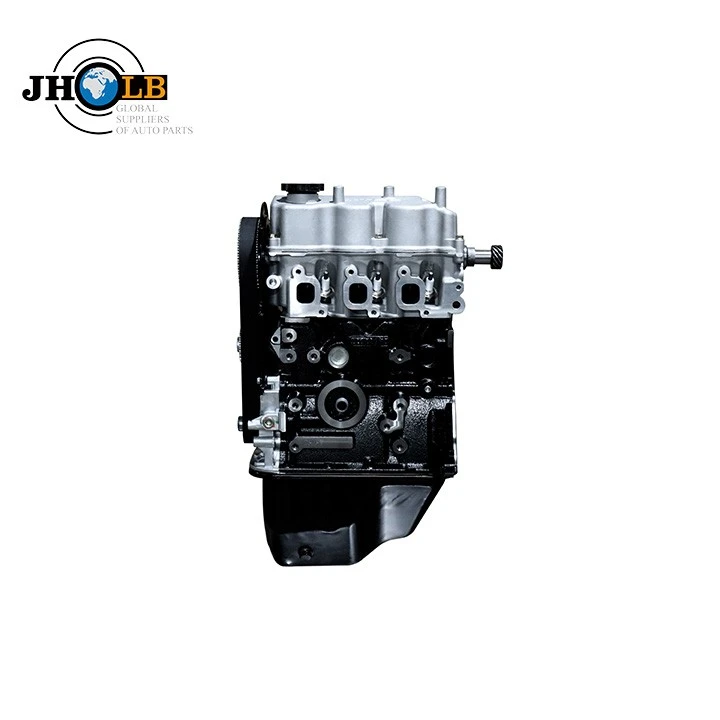

As a supplier of Engine Block MGZS, we understand the importance of quality and reliability. Our balance shafts are designed and manufactured to meet the highest standards of quality and performance, ensuring optimal vibration reduction and engine smoothness. We use only the finest materials and the latest manufacturing technologies to produce balance shafts that are durable, efficient, and reliable.
Related Engine Block Products
In addition to the Engine Block MGZS, we also offer a wide range of other engine block products, including:
- Engine Long Block BYD472QA LBENG-1362 For BYD 472QA: This engine long block is designed specifically for the BYD 472QA engine, providing a reliable and cost-effective replacement option.
- Chery Omoda 1.6T & Tiggo 7 1.6T Engine Long Block | SQRF4J16 LBENG-1341 Replacement Part: This engine long block is a perfect fit for the Chery Omoda 1.6T and Tiggo 7 1.6T engines, offering high performance and durability.
- Daewoo Damas 0.8L Engine Long Block | F8C LBDY1-1062 Replacement Part: This engine long block is designed for the Daewoo Damas 0.8L engine, providing a reliable and efficient replacement solution.
Contact Us for Procurement
If you're in the market for high-quality engine blocks, including the Engine Block MGZS, or any of our other products, we invite you to contact us for procurement. Our team of experts is ready to assist you with your needs and provide you with the best possible solutions. Whether you're a car manufacturer, a repair shop, or an individual looking for a reliable engine block, we have the products and expertise to meet your requirements.
References
- Heywood, J. B. (1988). Internal Combustion Engine Fundamentals. McGraw-Hill.
- Taylor, C. F. (1985). The Internal Combustion Engine in Theory and Practice. MIT Press.