

Turbocharged engines have become increasingly popular in recent years, offering a blend of power and fuel efficiency that's hard to beat. As an engine supplier, I've seen firsthand the benefits and drawbacks of these high - tech powerhouses. While they bring a lot to the table, there are some problems that both consumers and manufacturers need to be aware of.
1. Heat Management Issues
One of the most significant problems with turbocharged engines is heat. The turbocharger works by compressing air, which in turn raises its temperature. This high - temperature air then enters the engine, and the turbocharger itself also generates a ton of heat during operation.
Excessive heat can lead to a host of problems. For starters, it can cause premature wear and tear on engine components. Seals and gaskets are particularly vulnerable. High temperatures can make these rubber or synthetic parts brittle, leading to leaks. Oil, which is crucial for lubricating the engine, can also break down more quickly under high - heat conditions. When the oil breaks down, it loses its lubricating properties, increasing friction between moving parts and potentially causing engine damage.
To combat this, turbocharged engines often require additional cooling systems. These can include intercoolers, which cool the compressed air before it enters the engine, and oil coolers to keep the engine oil at an optimal temperature. However, these additional components add complexity and cost to the engine. For example, an intercooler can get clogged with dirt and debris over time, reducing its effectiveness. And if the oil cooler malfunctions, the engine oil can overheat, leading to reduced performance and potential long - term damage.
2. Turbo Lag
Turbo lag is another well - known issue with turbocharged engines. Turbo lag refers to the delay between when you press the accelerator pedal and when the turbocharger kicks in and provides a boost of power. This delay occurs because it takes time for the turbocharger to spool up to its optimal operating speed.
When you step on the gas, the engine needs to generate enough exhaust gas to spin the turbocharger's turbine. Until the turbine reaches the right speed, the engine operates as if it were naturally aspirated, lacking the extra power that the turbocharger can provide. This can be a real nuisance, especially in situations where you need quick acceleration, like merging onto a highway or overtaking another vehicle.
Manufacturers have tried various ways to reduce turbo lag. Some use smaller turbochargers that can spool up more quickly, while others employ twin - turbo or variable - geometry turbocharger systems. However, these solutions often come with their own set of problems. Smaller turbochargers may not provide as much power as larger ones, and twin - turbo systems can be more complex and expensive to maintain.
3. Maintenance Costs
Turbocharged engines generally require more maintenance than naturally aspirated engines. The turbocharger itself is a complex and precision - engineered component that needs regular attention. The oil that lubricates the turbocharger needs to be changed more frequently because it's exposed to higher temperatures and more contaminants.
In addition, the intake and exhaust systems of turbocharged engines are more prone to issues. The intake system can get clogged with dirt and debris, which can reduce the amount of air entering the engine and affect performance. The exhaust system, on the other hand, is under more stress due to the high - pressure exhaust gases produced by the turbocharger. This can lead to problems such as cracked exhaust manifolds or leaks.
If a turbocharger fails, it can be a very expensive repair. Replacing a turbocharger can cost anywhere from a few hundred to several thousand dollars, depending on the make and model of the vehicle. And since turbochargers are often integrated with other engine components, the labor costs for replacement can also be significant.
4. Fuel Quality Sensitivity
Turbocharged engines are more sensitive to fuel quality compared to naturally aspirated engines. The high - pressure combustion process in a turbocharged engine requires clean and high - quality fuel. Low - quality fuel can contain impurities such as sulfur, which can damage the turbocharger and other engine components over time.
These impurities can cause corrosion in the turbocharger's compressor and turbine blades, reducing their efficiency. They can also lead to the formation of deposits in the engine's combustion chambers, which can affect performance and fuel economy. To ensure optimal performance, it's recommended to use high - octane fuel in turbocharged engines. However, high - octane fuel is often more expensive, adding to the overall cost of ownership.
5. Carbon Deposits
Turbocharged engines are more prone to carbon deposits. The high - pressure and high - temperature environment in the combustion chambers can cause fuel to burn less completely, leading to the formation of carbon deposits on the intake valves, pistons, and other engine components.
These carbon deposits can have a negative impact on engine performance. They can restrict the flow of air and fuel into the engine, reducing power and efficiency. They can also cause the engine to run rough and increase emissions. Cleaning these carbon deposits can be a time - consuming and expensive process, often requiring the engine to be partially disassembled.

Our Engine Solutions
Despite these problems, turbocharged engines still offer a lot of advantages. At our company, we're committed to providing high - quality engines that minimize these issues. We offer a range of engines, including the The Modern G4HC Gearbox Is Suitable For The Hyundai Atos MPV 1.0L/Picanto 1.0L, which is designed with advanced technology to reduce heat generation and improve fuel efficiency.
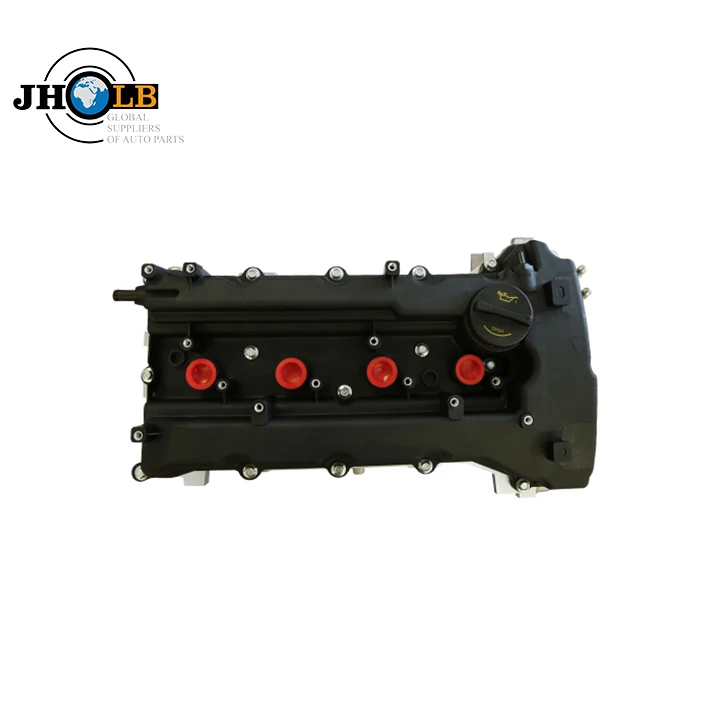
Our HYUNDAI & KIA G4KE Engine Long Block (211012GB00) – OEM - Quality Replacement for Sorento/Ix35 2.4L | Precision - Matched OEM Standards, High - Performance Assurance is another great option. It's built to withstand the rigors of turbocharged operation and is designed to minimize turbo lag and maintenance costs.
We also have the Toyota Corolla & Camry 2.0L/2.2L Diesel Engine OEM Cylinder Head - 11101 - 64132, 11101 - 64390 (Fit 2C/2C - TE/3C Engines) - Genuine Replacement Part, which is a high - quality replacement part for diesel turbocharged engines. It's engineered to provide optimal performance and durability.
If you're in the market for an engine or replacement parts, we encourage you to reach out to us for a detailed discussion. We can help you find the right solution for your specific needs, whether you're a car manufacturer looking for reliable engines or an individual in need of a replacement part. Don't hesitate to contact us to start the procurement negotiation process.
References
- Heywood, J. B. (1988). Internal Combustion Engine Fundamentals. McGraw - Hill.
- Stone, R. (2012). Introduction to Internal Combustion Engines. Pearson Education.