

As a dedicated supplier of Engine Block MGZS, I understand the critical importance of maintaining the optimal performance of engines. One of the key aspects that significantly impacts engine performance is the proper alignment of the crankshaft within the engine block. In this blog post, I'll share in - depth knowledge on how to check the crankshaft alignment in the Engine Block MGZS.
Understanding the Crankshaft and Its Role
The crankshaft is a fundamental component of an internal combustion engine. It converts the linear motion of the pistons into rotational motion, which is then transferred to the transmission and ultimately to the wheels. In the Engine Block MGZS, the correct alignment of the crankshaft ensures smooth operation, reduces wear and tear on engine components, and maximizes power output. Misaligned crankshafts can lead to a host of problems, including excessive vibration, uneven piston movement, and premature engine failure.
Tools Required for Checking Crankshaft Alignment
Before starting the alignment check, it's essential to gather the necessary tools. You'll need a dial indicator, a magnetic base for the dial indicator, a precision straight - edge, a set of feeler gauges, and a torque wrench. The dial indicator is used to measure small displacements, which is crucial for detecting misalignments. The magnetic base allows you to securely attach the dial indicator to the engine block. The straight - edge helps in visually assessing the straightness of the crankshaft journals, and the feeler gauges are used to measure clearances. The torque wrench ensures that all fasteners are tightened to the manufacturer's specifications.
Step - by - Step Guide to Checking Crankshaft Alignment
Step 1: Prepare the Engine Block
First, ensure that the engine block is clean and free of any debris or contaminants. Remove the oil pan, connecting rods, and pistons to gain access to the crankshaft. Carefully clean the crankshaft journals and the main bearing bores using a suitable solvent and a lint - free cloth. Inspect the journals for any signs of scoring, pitting, or wear. If any damage is detected, the crankshaft may need to be repaired or replaced.

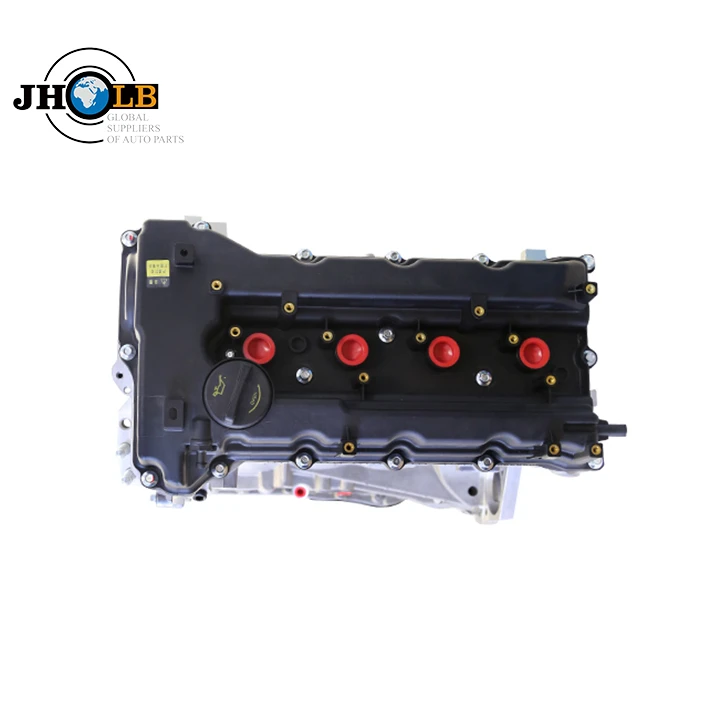
Step 2: Install the Dial Indicator
Attach the magnetic base of the dial indicator to a stable part of the engine block, close to the crankshaft. Position the dial indicator so that its plunger is perpendicular to the surface of the crankshaft journal. Make sure the indicator is zeroed before taking any measurements.
Step 3: Measure the Radial Runout
Slowly rotate the crankshaft by hand through several revolutions. As you rotate the crankshaft, the dial indicator will show the radial runout, which is the amount of deviation from a perfect circle. The acceptable radial runout for the Engine Block MGZS is typically specified by the manufacturer. If the measured runout exceeds the recommended limit, the crankshaft may be bent or misaligned.
Step 4: Check the Axial Play
To check the axial play of the crankshaft, use a feeler gauge to measure the clearance between the thrust bearing and the crankshaft flange. The axial play should be within the manufacturer's specified range. Excessive axial play can cause the crankshaft to move back and forth, leading to damage to the thrust bearing and other engine components.
Step 5: Inspect the Main Bearing Bores
Use a precision straight - edge to check the straightness of the main bearing bores. Place the straight - edge across the bores and look for any gaps between the straight - edge and the bore surface. If there are significant gaps, it indicates that the main bearing bores are out of alignment. You can also use a bore gauge to measure the diameter of the main bearing bores at multiple points to ensure they are within the specified tolerance.
Common Causes of Crankshaft Misalignment
There are several factors that can cause crankshaft misalignment in the Engine Block MGZS. One common cause is improper installation of the engine components. If the main bearings are not installed correctly or if the bearing caps are tightened unevenly, it can lead to misalignment. Another cause is excessive engine vibration, which can be due to unbalanced rotating components or worn engine mounts. Overheating can also cause the engine block to warp, which in turn can affect the crankshaft alignment.
Correcting Crankshaft Misalignment
If misalignment is detected, the first step is to identify the root cause. If the misalignment is due to improper installation, simply reinstalling the components correctly and tightening the fasteners to the correct torque can often solve the problem. In more severe cases, where the crankshaft is bent or the engine block is warped, more extensive repairs may be required. This could involve machining the main bearing bores, straightening the crankshaft, or even replacing the engine block.
Importance of Regular Crankshaft Alignment Checks
Regularly checking the crankshaft alignment in the Engine Block MGZS is essential for maintaining engine reliability and performance. By detecting and correcting misalignments early, you can prevent costly engine repairs and extend the lifespan of the engine. It's recommended to perform a crankshaft alignment check during major engine overhauls or if you notice any signs of abnormal engine operation, such as excessive vibration or loss of power.
Related Engine Block Products
If you are looking for high - quality engine blocks for other vehicle models, we also offer a range of products. For example, we have the Hyundai & Kia Genuine Engine Long Block G4KD (OEM 211012GGAA) for Ix35 / Sportage HYD 2.0L - Direct Fit OEM Replacement, which is a direct - fit replacement for specific Hyundai and Kia models. Another option is the HYUNDAI & KIA Engine Long Block G4KJ G4KH OEM 211012GB02 | Genuine OEM Part For New Santa Fe & Sorento 2.4L HYD Engines, designed for the Santa Fe and Sorento. We also provide the Hyundai & Kia Genuine Engine Cylinder Block G4NC OEM 17WA12EW00 Compatible with Tucson/Sportage 2.0L Engines - New Direct - Fit Long - Lasting Block Kit (Also Fits Optima Models).
Contact for Procurement
If you are interested in our Engine Block MGZS or any of our other engine block products, we encourage you to reach out to us for procurement and further discussions. Our team of experts is ready to assist you with your specific needs and provide you with the best solutions.
References
- Automotive Engine Repair Manuals for Engine Block MGZS
- Technical Bulletins from Engine Block Manufacturers
- Industry Standards for Crankshaft Alignment and Engine Maintenance