

Hey there! As an engine supplier, I've been in the thick of all things engines for quite a while now. One of the most popular topics I get asked about is how a tractor engine works. Well, buckle up because I'm going to take you on a ride through the inner workings of these powerful machines.
Let's start with the basics. A tractor engine, like most internal combustion engines, operates based on a simple principle: converting fuel into mechanical energy. There are two main types of tractor engines: gasoline and diesel. Diesel engines are more common in larger tractors because they're more efficient and have more torque, which is crucial for heavy - duty tasks like plowing and pulling.
The Four - Stroke Cycle
The heart of a tractor engine, whether it's gasoline or diesel, usually works on a four - stroke cycle. This cycle consists of four steps: intake, compression, power, and exhaust.
Intake Stroke
The first stroke is the intake stroke. In a gasoline engine, the intake valve opens, and a mixture of air and fuel (gasoline) is drawn into the combustion chamber. In a diesel engine, only air is drawn into the chamber. The piston moves downward, creating a vacuum that sucks in the air or the air - fuel mixture. This step prepares the engine for the next phase of the cycle.
Compression Stroke
Once the intake valve closes, the compression stroke begins. The piston moves back up, compressing the air in a diesel engine or the air - fuel mixture in a gasoline engine. In a diesel engine, the air is compressed to a much higher ratio (around 15:1 to 22:1) compared to a gasoline engine (usually around 8:1 to 12:1). This high compression in a diesel engine causes the air to heat up significantly.
Power Stroke
Here's where the magic happens—the power stroke. In a gasoline engine, a spark plug ignites the compressed air - fuel mixture. The resulting explosion forces the piston back down, creating mechanical energy. This energy is transferred through the connecting rod to the crankshaft, which then rotates and ultimately powers the wheels of the tractor.
In a diesel engine, since there's no spark plug, the heat from the highly compressed air is enough to ignite the fuel. When diesel fuel is injected into the hot, compressed air, it ignites spontaneously. Just like in a gasoline engine, the force of the explosion pushes the piston down, and the mechanical energy is transferred to the crankshaft. This power is what allows the tractor to do all its heavy - duty work.
Exhaust Stroke
After the power stroke, the exhaust valve opens, and the piston moves back up again. This forces the burnt gases out of the combustion chamber and into the exhaust system. Once the piston reaches the top of its travel, the exhaust valve closes, and the cycle starts all over again.

Fuel System
Another important part of a tractor engine is the fuel system.
In a gasoline engine, the fuel is stored in a fuel tank and is pumped to the carburetor (in older engines) or the fuel injectors (in modern engines). The carburetor mixes the fuel with air in the right proportions before it enters the combustion chamber. Modern gasoline engines use fuel injectors, which are more precise in delivering the right amount of fuel at the right time.
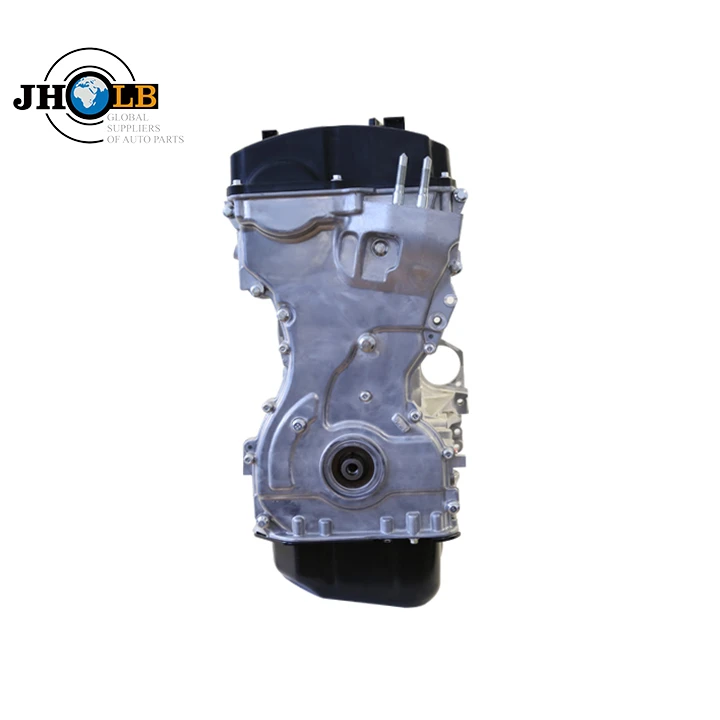
For diesel engines, a high - pressure fuel pump is used to pump the diesel fuel from the tank to the fuel injectors. These injectors are designed to spray the fuel into the combustion chamber in a fine mist, which helps with efficient combustion. The Modern G4HC Gearbox Is Suitable For The Hyundai Atos MPV 1.0L/Picanto 1.0L is a product that showcases the kind of precision engineering required in similar power - related components in engines.
Air Intake and Filtration
Air is as important as fuel for an engine. The air intake system brings in fresh air for the combustion process. A tractor often operates in dusty environments, so a good air filtration system is crucial. After the air is drawn in through an air intake, it passes through an air filter. The air filter traps dirt, dust, and other particles, preventing them from entering the engine and causing damage. A dirty air filter can reduce engine performance and fuel efficiency, so it needs to be replaced regularly.
Cooling System
Engines produce a lot of heat during operation, and if not managed properly, this heat can damage the engine components. That's where the cooling system comes in. The most common type of cooling system in tractors is a liquid - cooled system.
The system consists of a radiator, a water pump, coolant (usually a mixture of water and antifreeze), and hoses. The water pump circulates the coolant through the engine block and cylinder head, absorbing the heat generated during combustion. The hot coolant then flows to the radiator, where it passes through a series of tubes and fins. Air passing over the radiator cools the coolant, and the cooled coolant is then pumped back into the engine to repeat the process.
Lubrication System
The moving parts in a tractor engine need to be lubricated to reduce friction and wear. The lubrication system in a tractor engine is responsible for this. It includes an oil pan, an oil pump, an oil filter, and various oil passages.
The oil is stored in the oil pan at the bottom of the engine. The oil pump draws the oil from the pan and pumps it through the oil filter, which removes any dirt and debris from the oil. The clean oil is then sent through oil passages to all the moving parts, such as the pistons, the crankshaft, and the camshaft. The oil forms a thin film between the moving surfaces, ensuring smooth operation and protecting the parts from wear.
Ignition System (for Gasoline Engines)
As mentioned before, gasoline engines use a spark plug to ignite the air - fuel mixture. The ignition system in a gasoline tractor engine provides the high - voltage spark needed to make this happen. It typically includes a battery, an ignition coil, a distributor (in older engines), and spark plugs.
The battery provides the initial electrical energy. The ignition coil steps up the low - voltage current from the battery to a high - voltage current, which is sent to the spark plugs. The distributor, in older engines, distributes the high - voltage current to each spark plug at the right time. In modern engines, there are often individual ignition coils for each spark plug, which improves reliability and performance.
Engine Performance in Tractors
Tractor engines need to be optimized for different tasks. For example, a tractor used for light - duty lawn care might need to operate at different speeds and power levels compared to a large - scale farming tractor used for plowing. Engine manufacturers adjust the engine's design, such as the size of the cylinders, the compression ratio, and the fuel injection system, to meet these specific requirements.
Our Engine Offerings
As an engine supplier, we offer a wide range of engines suitable for different types of tractors. Whether you're looking for a small, gasoline - powered engine for a garden tractor or a large, heavy - duty diesel engine for agricultural use, we've got you covered.
We also deal in high - quality engine parts. For example, the Complete Engine Cylinder Head OEM 11101 - 64132 11101 - 64390 for Toyota Corolla Camry 2.0L 2.2L Diesel Engine: 2C 2C - TE 3C and the HYUNDAI And KIA Engine Long Block G4KE High OEM 211012GB00 For Sorento, Ix35 HYD 2.4L are some of the premium parts in our inventory. These parts are designed to meet or exceed OEM standards, ensuring that your engine runs smoothly and efficiently.
Connect with Us
If you're in the market for a new tractor engine or engine parts, we'd love to talk to you. Our team of experts can help you find the right engine or part for your specific needs. Whether you're a farmer looking to upgrade your tractor or a mechanic in need of reliable engine components, we're here to serve you. Reach out to us for more information and to start the procurement process.
References
- Automotive Technology: A Systems Approach, Fifth Edition by James D. Halderman
- The Diesel Engine for Dummies by Richard Kelsey & Tom Denton