

As a seasoned spark plug supplier, I've witnessed firsthand the critical role that proper spark plug sealing plays in the performance and longevity of an engine. Ensuring a tight and reliable seal between the spark plug and the cylinder head is essential for maintaining optimal combustion, preventing leaks, and maximizing engine efficiency. In this blog post, I'll share some expert tips and best practices on how to ensure proper sealing of spark plugs in the cylinder head.
Understanding the Importance of Proper Sealing
Before delving into the sealing process, it's important to understand why proper sealing is so crucial. A well-sealed spark plug creates a barrier between the combustion chamber and the outside environment, preventing the escape of hot gases and ensuring that the fuel-air mixture is properly ignited. This not only improves engine performance but also helps to prevent damage to the cylinder head, spark plug, and other engine components.
On the other hand, a poorly sealed spark plug can lead to a variety of problems, including misfires, reduced fuel efficiency, increased emissions, and even engine damage. Leaking gases can cause the spark plug to overheat, leading to premature wear and failure. Additionally, the presence of oil or coolant in the combustion chamber can contaminate the spark plug and prevent it from functioning properly.
Preparing the Cylinder Head and Spark Plug
Proper preparation is key to ensuring a successful spark plug installation. Before installing the spark plug, it's important to thoroughly clean the cylinder head and the spark plug threads to remove any dirt, debris, or old gasket material. This can be done using a wire brush or a specialized cleaning tool.
Next, inspect the cylinder head and the spark plug for any signs of damage or wear. Look for cracks, chips, or other defects that could affect the sealing performance. If any damage is found, the affected parts should be replaced before proceeding with the installation.
Choosing the Right Spark Plug and Gasket
Selecting the right spark plug and gasket is essential for ensuring a proper seal. The spark plug should be the correct size and type for your engine, and it should be compatible with the cylinder head. Additionally, the gasket should be made of high-quality materials and should be designed to withstand the high temperatures and pressures of the combustion chamber.
When choosing a spark plug, consider factors such as the engine's compression ratio, ignition system, and fuel type. For high-performance engines, you may want to consider using a platinum or iridium spark plug, which offers improved durability and performance.
Installing the Spark Plug
Once the cylinder head and spark plug are clean and inspected, it's time to install the spark plug. Begin by applying a small amount of anti-seize compound to the spark plug threads. This will help to prevent the spark plug from seizing in the cylinder head and make it easier to remove in the future.
Next, carefully insert the spark plug into the cylinder head and hand-tighten it until it is snug. Do not overtighten the spark plug, as this can damage the threads or the gasket. Once the spark plug is hand-tight, use a torque wrench to tighten it to the manufacturer's recommended specifications.
Checking the Seal
After installing the spark plug, it's important to check the seal to ensure that it is tight and leak-free. One way to do this is to use a compression tester to check the compression in each cylinder. If the compression is low in a particular cylinder, it could indicate a problem with the spark plug seal.
Another way to check the seal is to visually inspect the area around the spark plug for any signs of leaks. Look for oil, coolant, or other fluids that may be leaking from the base of the spark plug. If any leaks are found, the spark plug should be removed and the seal should be checked and repaired as necessary.
Maintaining the Spark Plug Seal
Proper maintenance is essential for ensuring the long-term performance and reliability of the spark plug seal. Regularly inspect the spark plugs and the cylinder head for any signs of wear or damage, and replace the spark plugs as recommended by the manufacturer.
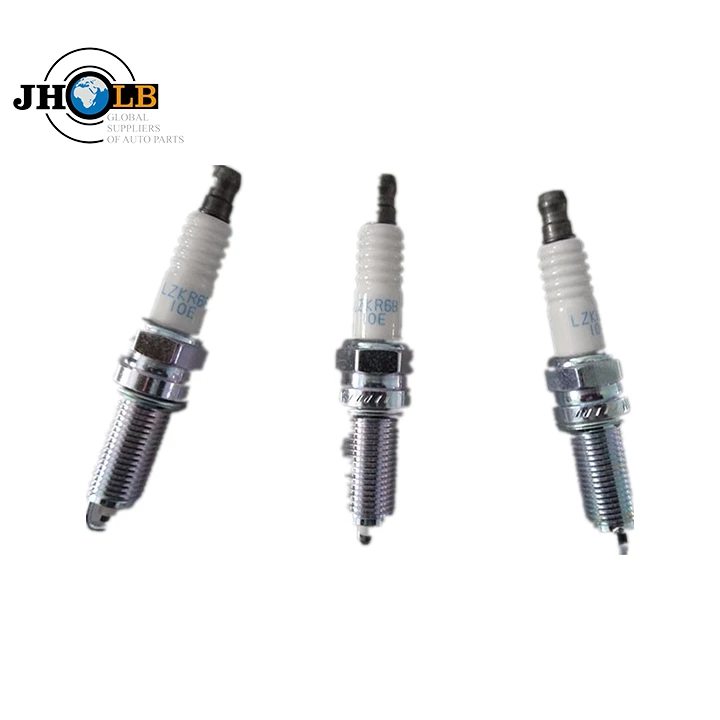

Additionally, it's important to use high-quality fuel and oil to prevent the buildup of deposits and contaminants in the combustion chamber. This can help to extend the life of the spark plug and the gasket and ensure a proper seal.
Conclusion
Ensuring proper sealing of spark plugs in the cylinder head is essential for maintaining optimal engine performance and reliability. By following these expert tips and best practices, you can ensure a tight and reliable seal that will help to prevent leaks, improve combustion, and maximize engine efficiency.
If you're in the market for high-quality spark plugs and gaskets, look no further than Iridium Spark Plugs for Toyota Lexus Honda | High-Performance 2024. Our extensive selection of spark plugs and gaskets is designed to meet the needs of a wide range of engines, and our team of experts is available to provide you with personalized advice and support.
Whether you're a professional mechanic or a DIY enthusiast, we're here to help you find the right spark plugs and gaskets for your engine. Contact us today to learn more about our products and services, and to start improving the performance and reliability of your engine.
References
- "Automotive Engine Repair Manual," various editions
- "Spark Plug Installation Guide," major spark plug manufacturers