

Can a spark plug cause a check engine light to come on? This is a question that many vehicle owners often wonder about. As a long - time spark plug supplier, I've dealt with numerous inquiries related to engine performance and the check engine light. In this blog, I'll delve into the relationship between spark plugs and the check engine light, exploring the reasons why a faulty spark plug can trigger this warning and how to address the issue.
Understanding the Check Engine Light
The check engine light, also known as the malfunction indicator lamp (MIL), is a crucial part of a vehicle's onboard diagnostic system (OBD). When this light comes on, it indicates that the vehicle's computer has detected a problem with the engine, emissions system, or other related components. The OBD system continuously monitors various sensors throughout the vehicle, and when it detects a deviation from the normal operating parameters, it illuminates the check engine light and stores a diagnostic trouble code (DTC) in its memory.
The Role of Spark Plugs in an Engine
Spark plugs play a vital role in the combustion process of a gasoline engine. They are responsible for creating the spark that ignites the air - fuel mixture in the combustion chamber. A properly functioning spark plug ensures efficient combustion, which in turn leads to smooth engine operation, good fuel economy, and low emissions.
When the spark plug fires, it generates a high - voltage electrical arc across the electrodes. This arc ignites the compressed air - fuel mixture, causing an explosion that drives the piston down and powers the engine. If the spark plug fails to produce a strong, consistent spark, the combustion process can be affected, leading to a variety of engine problems.
How a Faulty Spark Plug Can Trigger the Check Engine Light
There are several ways in which a faulty spark plug can cause the check engine light to come on:
1. Misfires
One of the most common issues associated with bad spark plugs is engine misfires. A misfire occurs when the air - fuel mixture in one or more cylinders fails to ignite properly. This can happen if the spark plug is worn out, fouled, or has a damaged electrode. When a misfire occurs, the engine's performance is affected, and unburned fuel can enter the exhaust system.
The OBD system has sensors that can detect misfires. If the system detects a misfire that exceeds a certain threshold, it will trigger the check engine light and store a DTC related to the misfire. A misfire can not only reduce engine power and fuel efficiency but also cause damage to the catalytic converter over time.
2. Poor Fuel Economy
Faulty spark plugs can also lead to poor fuel economy. When the spark plug doesn't provide a strong enough spark, the air - fuel mixture may not burn completely. As a result, the engine has to work harder to produce the same amount of power, leading to increased fuel consumption.
The OBD system monitors fuel consumption and can detect abnormal fuel efficiency. If the system determines that the vehicle's fuel economy is significantly lower than expected, it may trigger the check engine light. This is an early warning sign that something is wrong with the engine, and a faulty spark plug could be the culprit.
3. Increased Emissions
Incomplete combustion due to a faulty spark plug can result in increased emissions of harmful pollutants such as carbon monoxide (CO), hydrocarbons (HC), and nitrogen oxides (NOx). The vehicle's emissions control system is designed to reduce these emissions to meet environmental standards.
The OBD system has sensors that monitor the emissions levels in the exhaust. If the emissions exceed the allowable limits, the check engine light will come on. This is not only important for environmental reasons but also because many states require vehicles to pass emissions tests as part of their registration process.
Signs of a Faulty Spark Plug
In addition to the check engine light coming on, there are other signs that may indicate a problem with the spark plugs:
- Rough Idling: The engine may shake or vibrate more than usual when idling. This is because the misfires cause uneven power delivery in the cylinders.
- Poor Acceleration: The vehicle may feel sluggish when accelerating, and there may be a delay in power response.
- Hard Starting: Difficulty starting the engine, especially in cold weather, can be a sign of worn - out spark plugs.
- Engine Knocking or Pinging: This can occur when the air - fuel mixture detonates prematurely due to a weak spark.
Inspecting and Replacing Spark Plugs
Regular inspection and replacement of spark plugs are essential for maintaining engine performance and preventing the check engine light from coming on. The recommended replacement interval for spark plugs varies depending on the vehicle make and model, as well as the type of spark plug used.
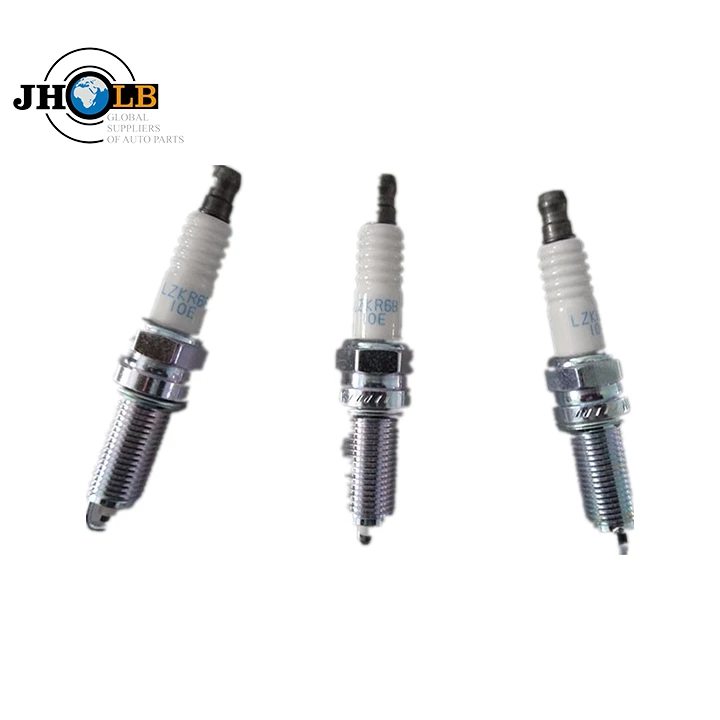

To inspect the spark plugs, you'll need to remove them from the engine. Look for signs of wear, such as eroded electrodes, carbon deposits, or oil fouling. If the spark plugs are worn out or damaged, they should be replaced with new ones.
When choosing new spark plugs, it's important to select the right type for your vehicle. There are different types of spark plugs available, including copper, platinum, and iridium. Iridium spark plugs, for example, offer longer service life and better performance compared to other types. You can find high - performance iridium spark plugs suitable for Toyota, Lexus, and Honda vehicles at Iridium Spark Plugs for Toyota Lexus Honda | High - Performance 2024.
Conclusion
In conclusion, a faulty spark plug can definitely cause the check engine light to come on. Misfires, poor fuel economy, and increased emissions are all potential consequences of a bad spark plug, and the OBD system is designed to detect these issues and alert the driver.
If you notice the check engine light illuminated on your dashboard, it's important to have your vehicle inspected as soon as possible. A professional mechanic can use a diagnostic scanner to retrieve the DTCs and determine the root cause of the problem. In many cases, replacing the spark plugs may be the solution.
As a spark plug supplier, I'm committed to providing high - quality spark plugs that meet the needs of different vehicles. Whether you're a car enthusiast or a professional mechanic, we have the right spark plugs for your engine. If you're interested in purchasing spark plugs or have any questions about our products, feel free to reach out to us for a procurement discussion. We'll be happy to assist you in finding the best spark plug solution for your vehicle.
References
- "Automotive Mechanics Fundamentals" by Alton M. Brown
- "Vehicle Maintenance and Repair" by Mike Mavrigian